The Whole City as an Experimental Site: TAKANAWA Fund’s Robust Support for Startups
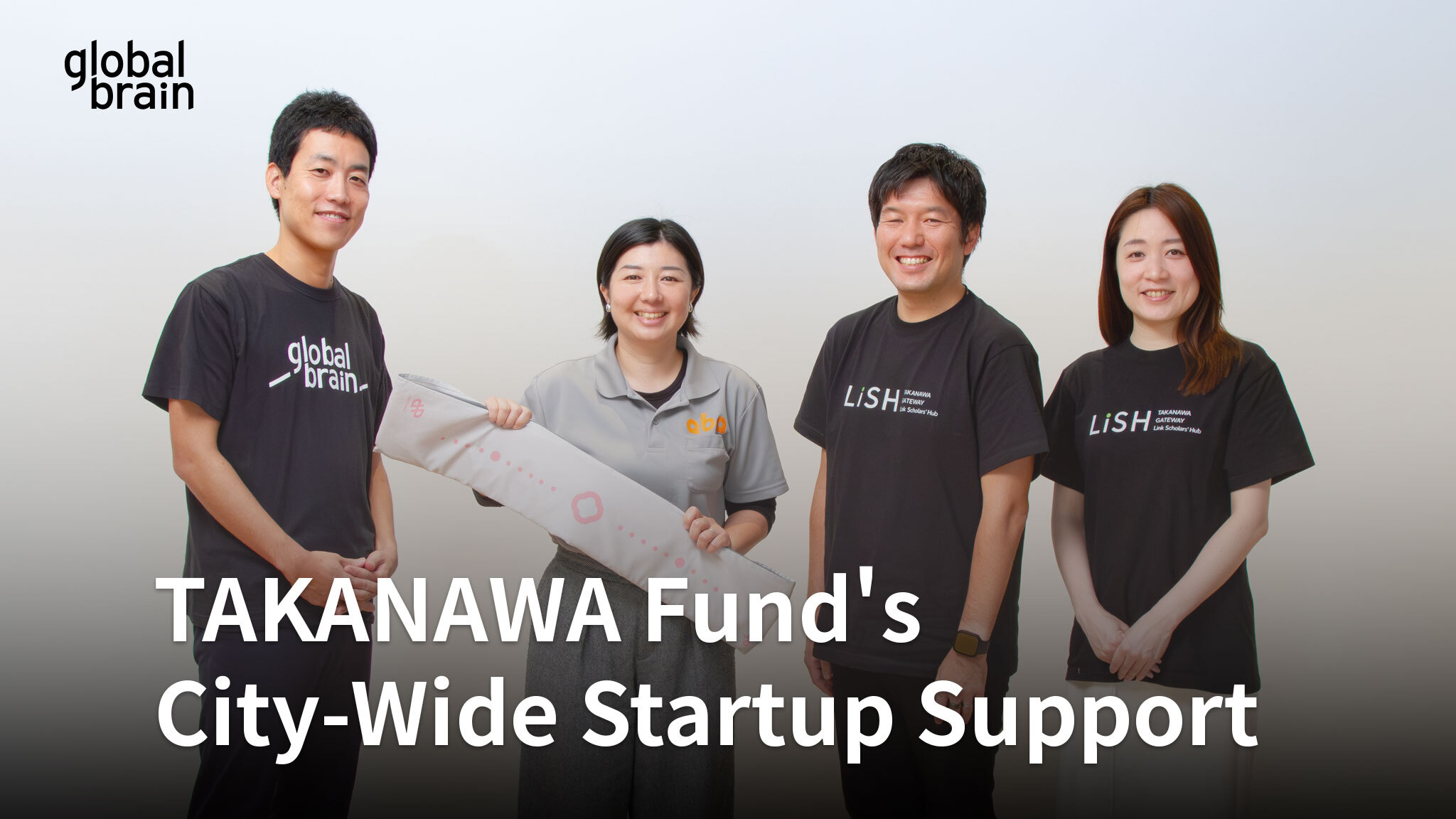
We sat down with aba, a Japanese caretech startup, and TAKANAWA GATEWAY Global Co-Benefits Fund L.P. (TAKANAWA Fund) to discuss the details of their demonstration project and collaboration.
Points
-
The entire Takanawa city can be used as a testing ground for the next 100 years
-
A pitch contest served as the catalyst for the lead investment in aba
-
Demonstration of a caretech-enabled overnight facility demonstration is underway
aba Inc. (aba) is a caretech startup that offers Helppad 2, a sensor that detects excretion through odor for those in need of care. aba won both the TAKANAWA FUND Award and the PHD Lab. Award at the TAKANAWA PITCH contest. This contest was part of the business creation event, GATEWAY Tech TAKANAWA, which was held at TAKANAWA GATEWAY CITY in May 2025.
Winning the TAKANAWA FUND Award led aba to receive lead investment from TAKANAWA GATEWAY Global Co-Benefits Fund L.P. (TAKANAWA Fund), which was jointly established by East Japan Railway Company (JRE) and Global Brain (GB). aba is steadily growing by launching collaboration projects that engage corporations beyond JRE.
We explored how a startup like aba, aiming to solve social challenges, is aiming to accelerate its business and apply it to society through collaboration with TAKANAWA Fund. We spoke with Yoshimi Wie, CEO of aba; Hiyoku Motomura and Eriko Shimakawa of the Shinagawa Community Development Division, Marketing Headquarters, JRE; and Takeru Shigemura, a venture capitalist at GB managing the fund, about the collaborations currently underway.
Startups with a good fit for TAKANAWA Fund
──Firstly, how did you come to found aba?
Wie (aba): My journey started when I became a young caregiver for my grandmother, who I lived with, during my junior high school years. Having witnessed how caregiving can exhaust not only the care recipients but also the families supporting them, I have been deeply committed to empowering caregivers ever since.
However, there are limits to what humans can do to support others. Driven by a vision to support people through means beyond human labor, I learned about the field of caregiving robots and decided to pursue the research at a university specializing in this area. I began researching and developing caregiving robots from my first year of undergraduate studies. During this time, a staff member at a care facility told me that they wished they could check inside the diaper without having to open it. This led me to start researching excretion detection sensors. The student startup I launched to commercialize this technology is the foundation of the Helppad business today.
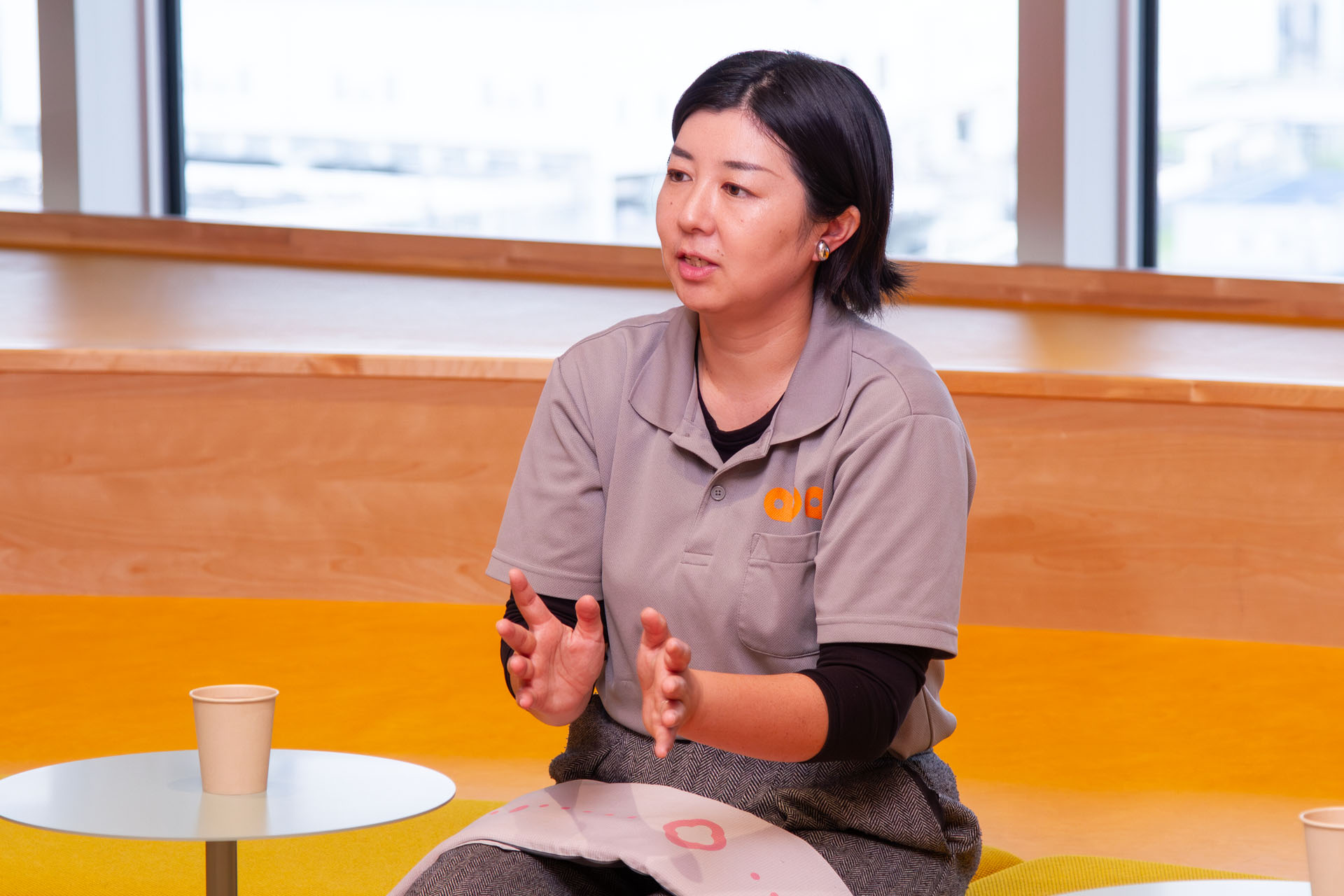
──Thank you for sharing that story. aba won two awards at the TAKANAWA PITCH hosted by the TAKANAWA Fund in 2025. Why did you decide to apply for this pitch contest?
Wie (aba): I saw a social media post made by one of the judges of TAKANAWA PITCH, which sparked my interest. What I found particularly compelling was TAKANAWA PITCH’s vision. ”Creating the future of the next 100 years,” and “seeking partners to conduct demonstration experiments in Takanawa.” These messages attracted me.
──Looking from your side at JRE and GB, why do you think aba won two awards?
Shimakawa (JRE): That is because aba was exactly the kind of company TAKANAWA Fund wanted to support.
TAKANAWA Fund has two distinct features. The first is that we want to support startups solving social challenges under the concept, global co-benefits. The second is that we can offer the entire Takanawa district as a demonstration field.
TAKANAWA Fund has a vision to work with startups tackling social issues by having people visiting TAKANAWA GATEWAY CITY and local residents, including elderly people, actually use their products. In this regard, we believe aba was the right company.

Motomura (JRE): Actually, I first met Wie-san about eight years ago, and even back then, I remember being deeply inspired by her dedication. Years later, we reunited at the TAKANAWA PITCH event. I was truly impressed by her aspirations which remained unchanged after all these years.
During the pitch, Wie-san did not just promote the Helppad; she proposed a demonstration experiment with the vision of creating a better world for those involved in caregiving. I resonated with her idea to create a facility named “Nekaigoto Room” in Takanawa—an accommodation where caregivers and families can stay overnight while trying out caretech products offered by various companies. (Note: aba is driving an activity to gather voices and wishes related to caregiving which they call Nekaigoto, a coined word which incorporates the words “caregiving” and “wish” in Japanese, and tries to find ways to fulfill them through technology and other means.)
Seeing how she works not just for her own company but also for solving the overall caregiving challenges made us want to support her, which led to the high rating during the pitch.
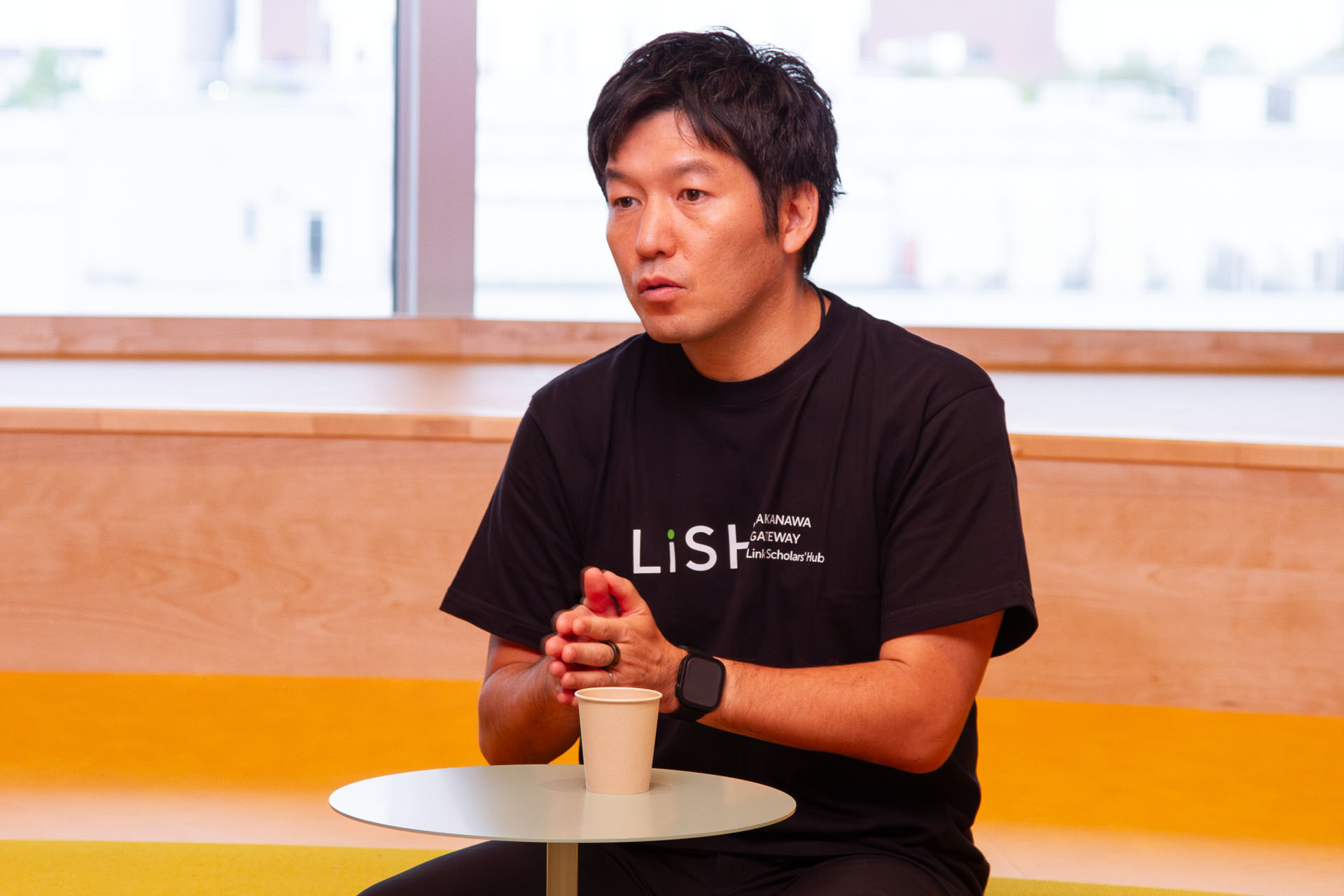
Shigemura (GB): For the TAKANAWA FUND Award, GB’s President and CEO Yasuhiko Yurimoto led the judging process. What he valued was her resilience in having overcome challenges over the 15 years or so since she founded the company.
The caregiving market is very challenging, with a unique industry structure; no matter how significant the social impact, startups face high barriers to entry. Yet, for the past 15 years, aba overcame numerous difficulties to create Helppad, and now it is actually beginning to gain traction in the market.
We felt that someone with such grit will surely succeed in solving the challenges of caregiving, and that is why we awarded the TAKANAWA FUND Prize to show our support and encouragement.
──So, Wie-san’s resilience was also valued in addition to aba’s business. Wie-san, what drives your strength as a founder?
Wie (aba): To tell you the truth, there was a specific moment when I completely let go of all hesitation as a founder. It was when I was around 25 or 26 years old, when aba decided to take on a loan which exceeded JPY 10 million for the first time. Facing an amount that was a whole different level compared to the previous loans in several millions, I suddenly got scared, wondering if I could pay it back.
But then I thought, “I am not anyone special. If risking my unremarkable life could completely change the future of the caregiving industry, isn’t that a low-risk, high-return bet?” With that, any reason not to take the leap vanished. A sudden calm washed over me, and I was able to lock in my decision with absolute conviction.
Once I realized this, I developed a mindset that there is no reason to back out. Thanks to this, I can always remind myself of that resolve, no matter what difficulties I face. The source of my strength may be the feeling that no matter what happens, this bet is low-risk, high-return, and will be a challenge that will move the caregiving industry forward.
Supporting aba in finding business partners to drive growth
──Following the lead investment, I believe the collaboration between aba and TAKANAWA Fund is also underway. Could you tell us more about it?
Wie (aba): Details of the demonstration of the Nekaigoto Room, proposed at the TAKANAWA PITCH, are taking shape. This is a facility where caregivers can stay overnight while trying out various caretech products.
Many countries, including Japan, will face even greater challenges in caregiving in the years to come. Against this backdrop, I believe establishing the Nekaigoto Room here in Takanawa, with its vision for the next 100 years, holds profound significance.
We are also fortunate that Takanawa is a location that attracts many international visitors. Being able to show the world, as well as the domestic market, how advanced Japan’s caretech is makes it very appealing.

Shimakawa (JRE): TAKANAWA Fund is working toward collaborations that will contribute to aba’s business growth, including the Nekaigoto Room initiative. We are currently in the process of seeking partners for this purpose, working on partnerships with hospitals and academia and establishing medium-to-long-term frameworks with the Limited Partners (LPs) investing in TAKANAWA Fund.
For example, we also have ideas to leverage the network of caregiving businesses of Akita Bank, an LP to advance the introduction of Helppad, and to collaborate with a subsidiary of Akita Bank that specializes in digital transformation (DX) of caregiving.
Regarding collaborations between aba and LPs, we act as a hub holding in-person meetings and maintaining daily communication to ensure smooth progress.
Wie (aba): Akita is the prefecture with the highest aging ratio in Japan. We are grateful to be able to collaborate with Akita Bank, which is based in such an area, and we intend to actively introduce Helppads there.
Takanawa as a stage for demonstrations a century into the future
──Wie-san, you have also received investments from other VC firms and corporations, where do you see TAKANAWA Fund’s unique edge?
Wie (aba): There are two major aspects.
First is their willingness to take a long-term view of collaborations and business projects in the best sense possible. While they are fully committed to delivering results within the 5-to-10-year fund timeline, what sets them apart is their genuine willingness to have serious conversations about what this endeavor will mean a century from now.
Second, it is the fact that they actually provide a physical venue for us. While there are many companies and organizations supporting startups in various ways, I would say it is quite rare to find one that actually possesses and actively provides a venue where people can gather in person and conduct field tests.
Shimakawa (JRE): Thank you. Other startups also highly value the part that the entire city serves as a demonstration field.
We also plan to further update the city. By spring 2026, various facilities such as clinics, residences, and fitness centers are scheduled to open. This will enable a broader range of experiments to be conducted, making it a place where startups can better leverage our strengths.

Motomura (JRE): TAKANAWA Fund places particular focus on initiatives that serve the public interest, placing emphasis on whether they will pave the way for the next 100 years.
To put it into perspective, Takanawa, where the fund is based, is literally the very birthplace of innovation. 140 years ago in the Meiji era, when Japan’s first train ran, it was home to a groundbreaking railway embankment built with the most advanced technology of that era. Building on the legacy of our pioneers, our goal is to push forward with collaborations focused on the public interest, beyond short-term returns for JRE. This is a shared conviction held by every member of our fund.
──Shigemura-san, given your insight into open innovation across other CVCs and corporations, what is your view?
Being able to provide demonstration fields is indeed a significant advantage. While the framework for open innovation between large corporations and startups is gradually established, a major challenge remains: there is no actual space to test the fruits of these collaborations and joint research. In that sense, I feel TAKANAWA Fund presents a powerful blueprint for solving this issue.
Another key feature is the participation of multiple LPs. Some startups worry that receiving investment from a CVC may color them with that specific corporation’s identity, making it difficult to collaborate with other companies. However, the highly public nature of this fund and its multi-LP structure should largely alleviate those concerns. I believe this initiative itself is a major experiment testing a new model for corporate-backed funds.

A reliable partner when considering an IPO
──Could you share your thoughts on the future vision of the collaboration, and the cooperation structure you both want to adopt?
Wie (aba): Our immediate goal is to make the Nekaigoto Room a reality within a year or so. Once it succeeds in Takanawa, we look forward to exploring with TAKANAWA Fund members how to scale it across Japan and globally.
aba is also aiming for an IPO because we want the caregivers to be the shareholders. Needless to say, the owners of a company are its shareholders. Since aba aims to be a leading company in caretech, we strongly wish that the owners of aba will be the caregivers themselves.
The world is entering an era where everyone will be involved in caregiving, particularly in developed countries facing declining birthrates and aging populations. Our goal is to enable even non-professional investors to become shareholders of aba so that they can use the corporate structure to share with us their struggles with caregiving or hopes of improvement. We believe an IPO is the means to achieve this.
As we forge ahead, it is incredibly reassuring to navigate the coming years by following right behind JRE, a company playing a vital public role and considered part of the social infrastructure. Aggressively hiring like-minded talent to transform the caregiving industry, we aim to solve industry challenges and drive toward our IPO.

Shimakawa (JRE): For us too, opening the Nekaigoto Room is at the top of the list, and our immediate goal is to focus on gathering the right partners including diverse caretech companies that we can collaborate with.
Helppad may evolve into a platform where data of care recipients is accumulated. With such a vision in the medium to long term, we hope to steadily gather the necessary pieces moving forward.
──Your future endeavors sound exciting. Finally, could we have a message from JRE to startups interested in the next TAKANAWA PITCH or investment from TAKANAWA Fund?
Motomura (JRE): Takanawa is truly a place where diverse people gather. It also features the business creation facility TAKANAWA GATEWAY Link Scholars’ Hub (LiSH), where aba is also a tenant. We would be delighted to have startups join us here in Takanawa, where unexpected encounters can spark incredible business and research opportunities.
As mentioned earlier, our fund’s core concept is “global co-benefits.” We want to walk alongside startups that tackle social challenges with a strong commitment that extends 100 years into the future. We look forward to hearing your passionate pitches at the TAKANAWA PITCH.
No matter how brilliant a business may be, it cannot move forward without the right partners. We hope to play a vital role as a startup’s partner, supporting and encouraging them as they take on the endeavor.
Note: Affiliations, titles, and figures are as of the time of coverage.
(Written by GB’s Brand Communication Team)