Japan’s Untapped Opportunities in the World’s Largest Growth Market: Global Brain’s Africa Event Report
This article provides a digest of the Alliance for Market Acceleration in Africa (AMA), an event organized by Global Brain (GB), a Japanese independent venture capital firm, to spotlight the latest on Africa’s markets.
In August 2025, GB hosted AMA, its first proprietary event dedicated to the African market.
The event was recognized as an official partner project of TICAD 9. It brought together Japanese corporations, African startups, investors, and stakeholders from both the public and private sectors—with the aim of building new perspectives and networks that had not existed before.
Africa is today’s most rapidly changing and fastest-growing frontier market. GB, which has been actively investing in African startups, has witnessed firsthand both the continent’s potential and the strong prospects for collaboration with Japanese companies.
More than a venture capital firm, GB aspires to serve as an innovation platform. For the AMA, we curated multiple sessions designed to strengthen ties between Japan and Africa and catalyze new innovation. This article offers a concise report of the key discussions from each session.
Japan × Africa Synergies Seen in HAKKI AFRICA
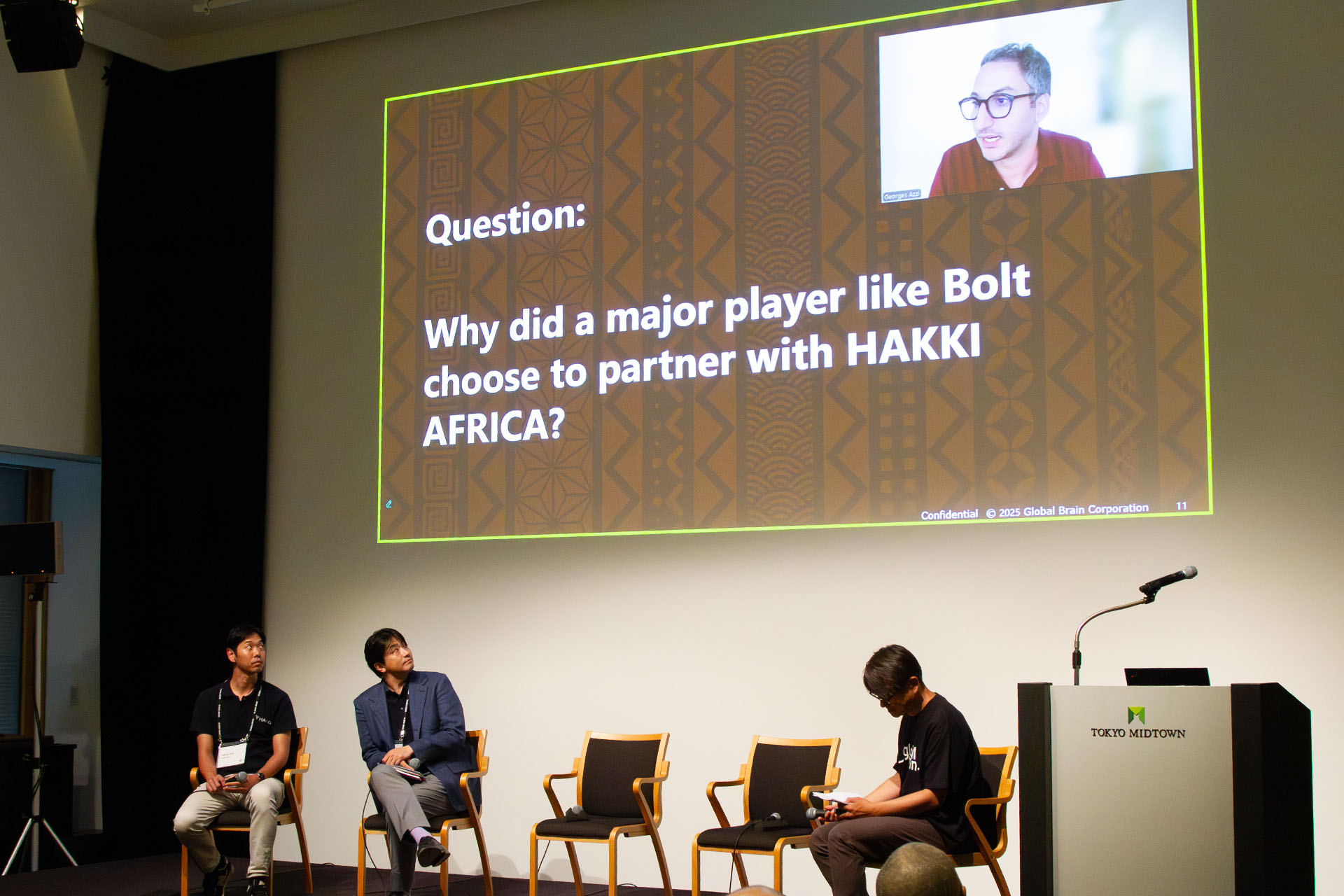
The event opened with a panel titled “Low-Interest Japan × High-Growth Markets: A New Formula for Global Fintech.”
Speakers
-
Koji Tokida, Co-Founder & COO, HAKKI AFRICA
-
Hideaki Imaeda, Deputy General Manager, SMBC Venture Capital
-
Georges Azzi, Head of Business Development, Bolt
HAKKI AFRICA is a startup operating microfinance and leasing services for taxi drivers across three countries—Kenya, South Africa, and India. In its Series C round, the company raised capital from SMBC Venture Capital, Globis Capital Partners, and GB. It also collaborates with Bolt, one of Africa’s largest ride-hailing platforms, in Kenya and South Africa—expanding a business that bridges Japan and Africa.
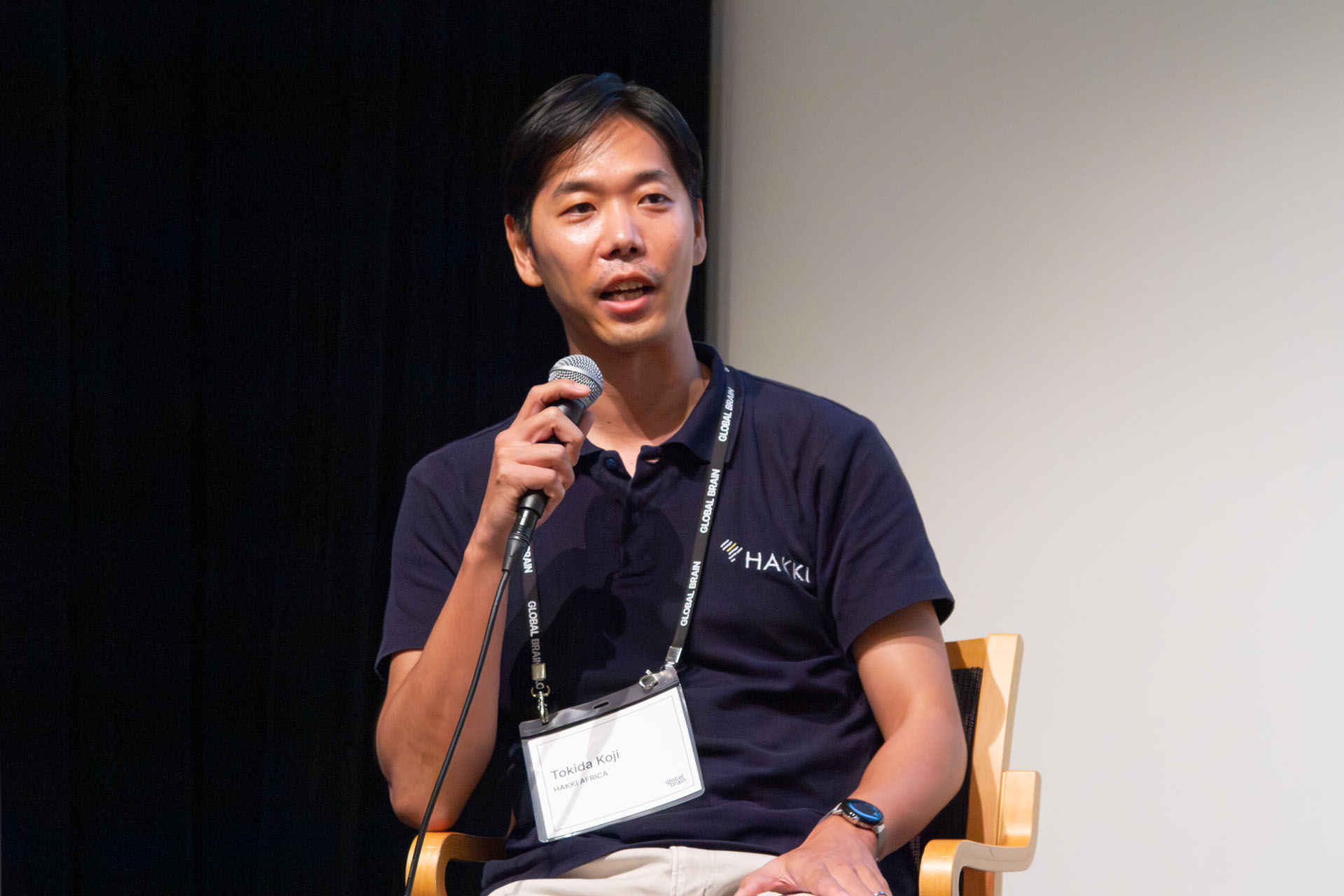
Tokida, a rare case of a Japanese entrepreneur who was born in Kenya, explained why he chose to build in Africa: strong economic growth and pressing challenges that impact millions of lives. Strategically, HAKKI AFRICA set its headquarters in Japan—where access to financing is favorable—while pursuing operations in high-growth African markets, illustrating the potential of a cross-continental startup model linking Japan and Africa.
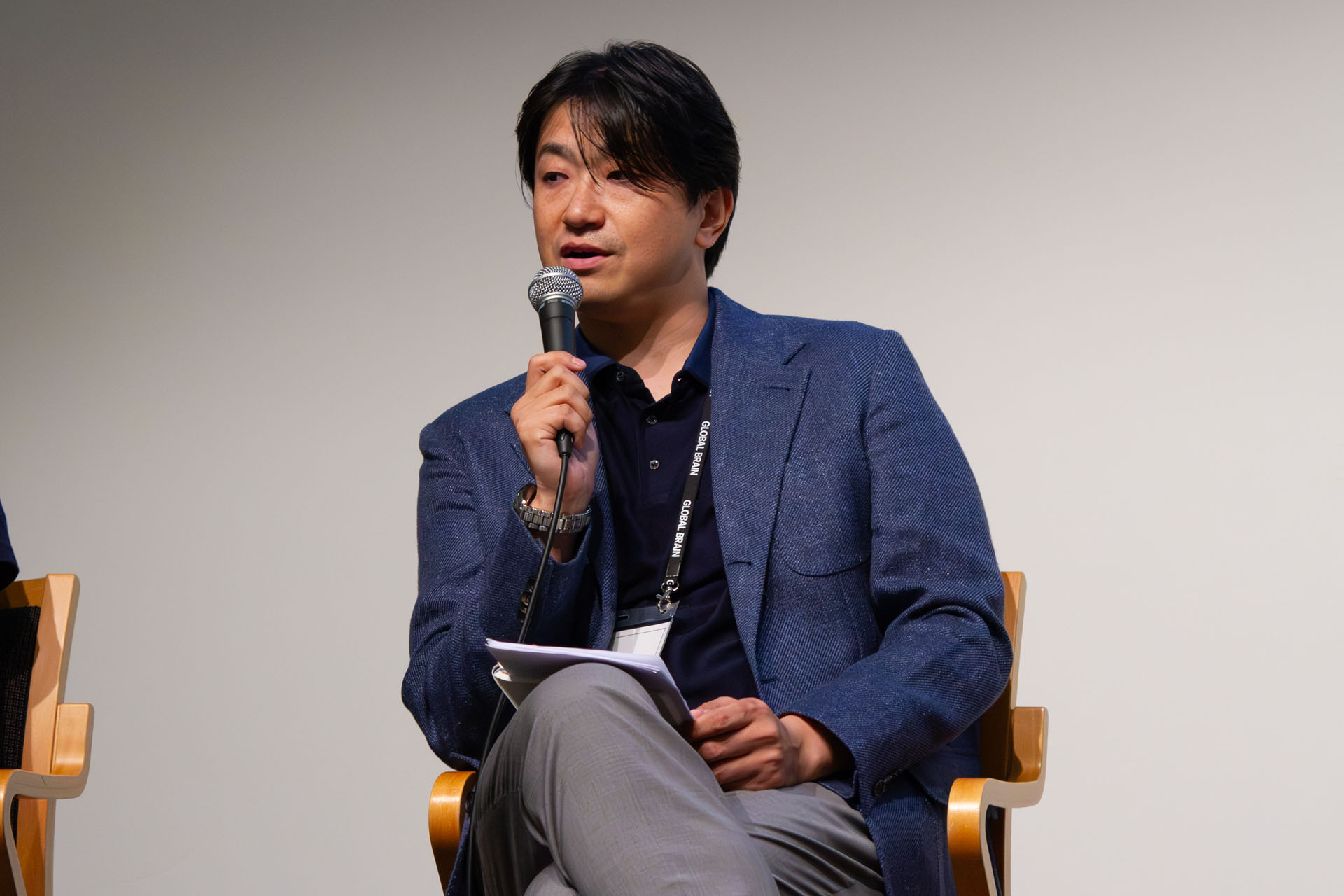
SMBC Venture Capital’s Imaeda emphasized that when assessing startups entering the African market, his team prioritizes the leadership team, communication, and human relationships, alongside direct on-the-ground validation of business models and conditions. Having traveled to Kenya multiple times for HAKKI AFRICA’s due diligence, Imaeda’s close engagement prompted Tokida to add that “Mr. Imaeda remembers the faces and names of almost all HAKKI AFRICA employees, which makes us very happy”—a glimpse into the strong relationship between the two companies.
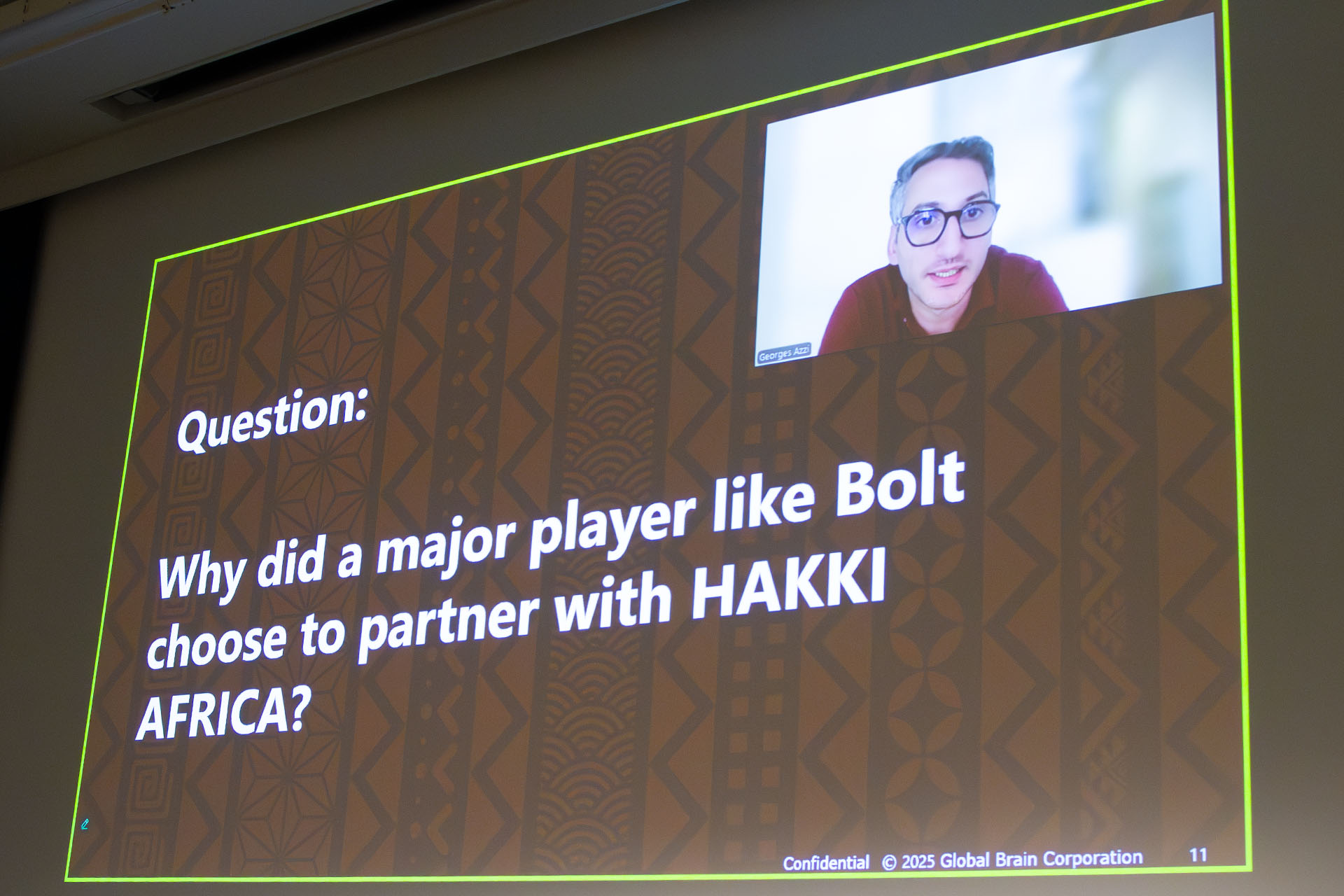
As noted, HAKKI AFRICA is also growing through its partnership with Bolt, a major African ride-hailing company. Under the agreement, HAKKI AFRICA provides financing with low down payments to drivers who pledge to work exclusively on the Bolt platform. This enables Bolt to secure drivers with reliable vehicles, while HAKKI AFRICA expands its lending base. The win-win structure has created a virtuous cycle of user growth and market-share expansion.
Georges of Bolt explained that HAKKI AFRICA uniquely combines strong operations with access to capital, and that trusted relationships with the company’s leadership facilitated the partnership. Noting projections that Nigeria’s population may double by 2050, he said demand for transport services across Africa will continue to rise—making the collaboration model transferable to other markets.
The discussion closed by addressing the fit between Japan’s low-interest environment and building businesses in Africa. Drawing on his own experience, Tokida highlighted that funds raised efficiently in Japan can be deployed into Africa’s opportunity-rich markets, creating mutual benefits for both regions. He also stressed that, as HAKKI AFRICA has done, partnering with local operators with established on-the-ground capabilities is a key to success.
Practical Examples of Japan-Africa Collaboration
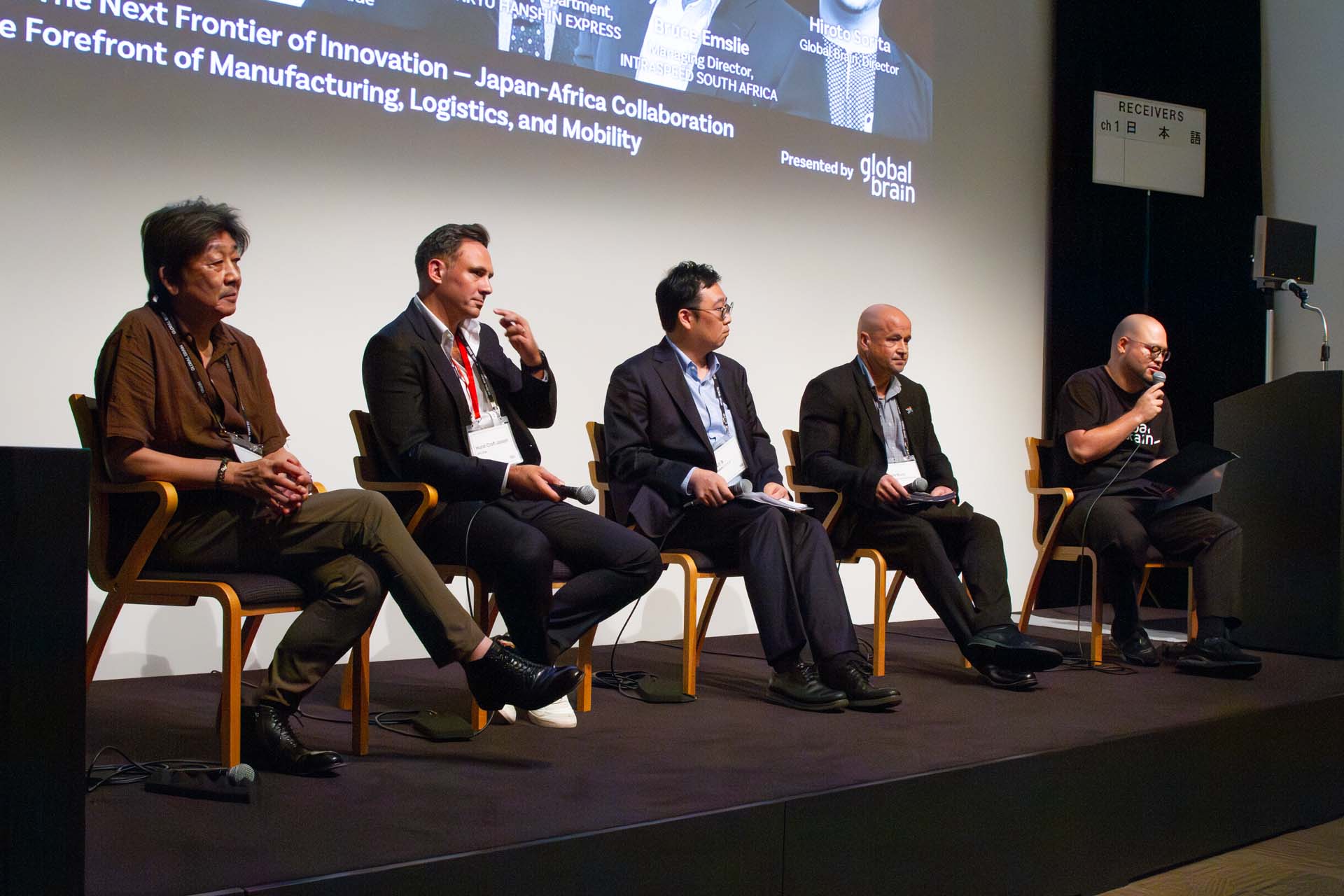
Collaboration in Africa is increasing not only among startups, but also among Japan’s large corporations. The next session showcased two practical cross-border cases.
Speakers
-
Takeshi Isaku, CIO (Chief Innovation Officer), Musashi Seimitsu Industry
-
Joseph Hurst-Croft, CEO, ARC Ride
-
Jun Morikawa, Director, Global Sales Division, Hankyu Hanshin Express
-
Bruce Emslie, Managing Director, INTRASPEED SOUTH AFRICA
Musashi Seimitsu Industry (MUSASHI), a manufacturer of automotive components, has partnered with Kenyan e-motorcycle startup ARC Ride. In Nairobi, ARC Ride operates affordable swappable batteries made by MUSASHI. This lowers the cost of vehicle adoption and supports wider e-motorcycle use in Kenya.
Isaku attributed the success of a long-distance collaboration (Japan × Africa) to “changing how we see ourselves.” By redefining the company not merely as an auto-parts maker but as a tech-driven problem solver, MUSASHI identified opportunities to apply its resources to Africa’s multitude of social challenges.
Reflecting on the partnership, Joseph underscored the renewed importance of focusing on processes and systems, and of fostering long-term co-creation and innovation with Japanese partners.
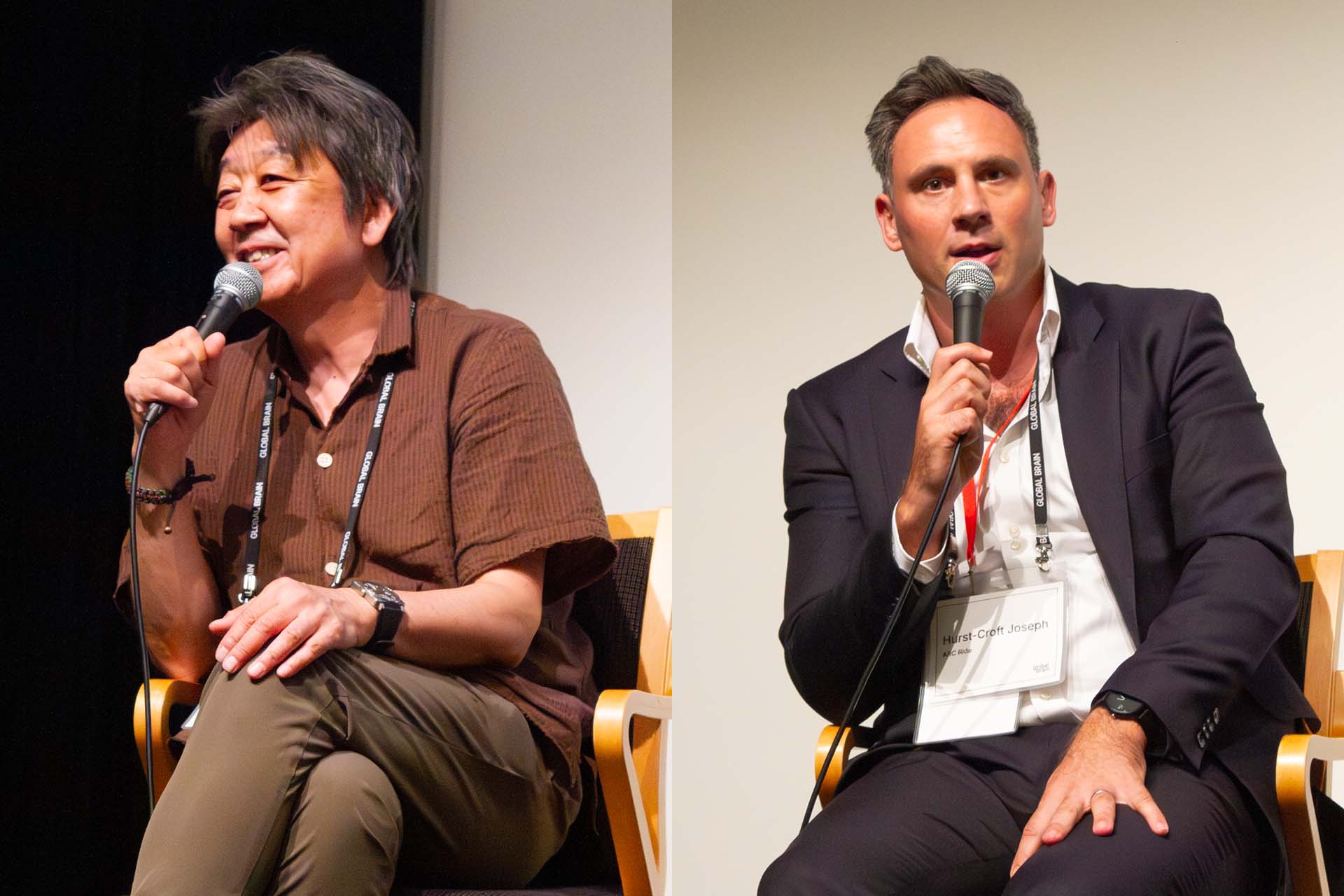
The second case focused on logistics. *Hankyu Hanshin Express, whose core businesses include international forwarding, customs brokerage, and trade agency services, acquired INTRASPEED SOUTH AFRICA in 2018, extending its footprint in Sub-Saharan Africa.
Asked about challenges of doing business in Africa, Morikawa cited the high degree of unpredictability, including disasters and security risks. Yet he stressed that these can be overcome through trust with local partners and thorough study of each country’s systems and cultures.
Bruce reflected on becoming part of a Japanese corporate group, valuing its emphasis on candor, transparency, and trust. He added that the M&A freed the company from Africa-specific cash-flow constraints, enabling double-digit annual growth.
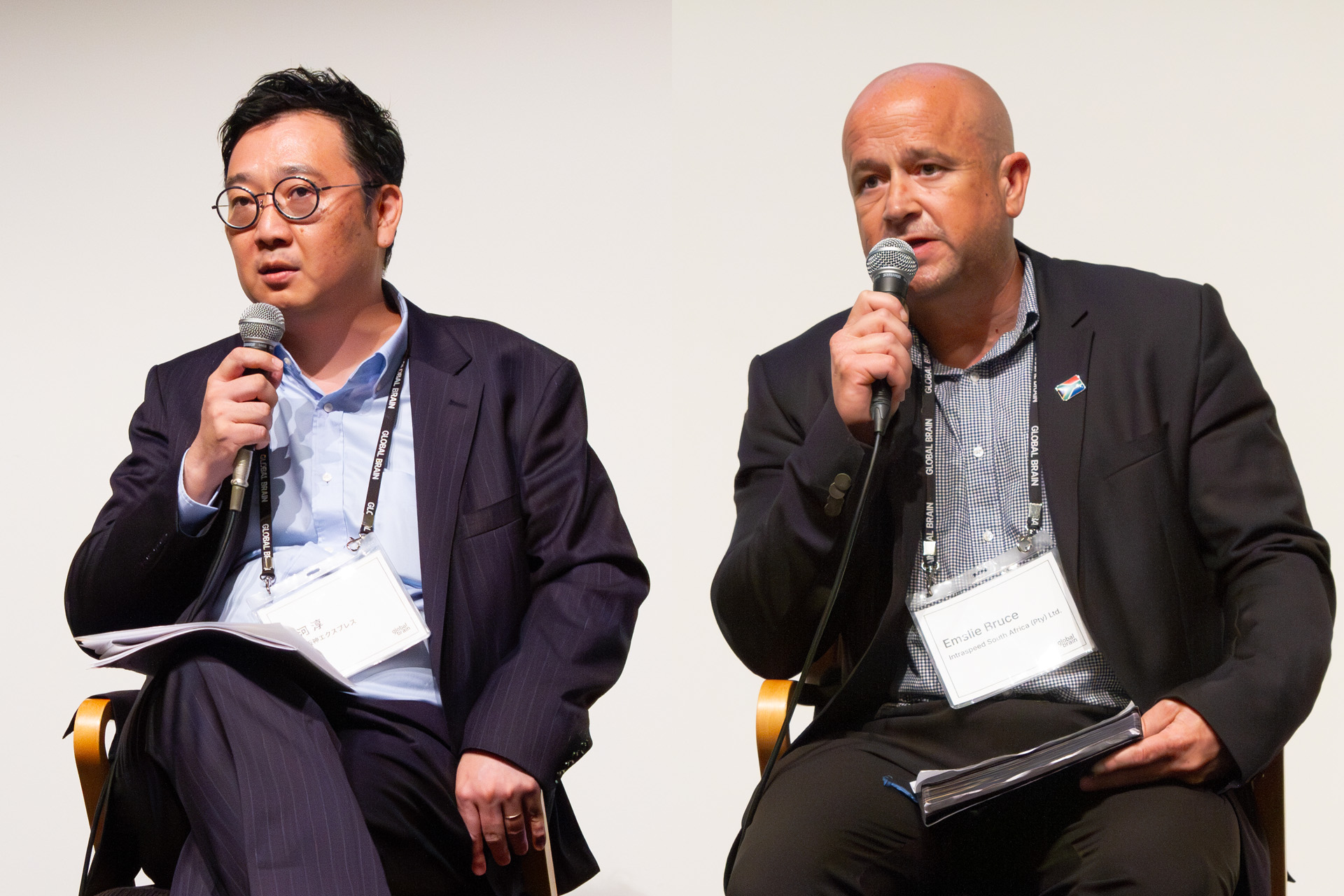
On what is needed to deepen Japan–Africa corporate collaboration, the speakers offered several recommendations. Joseph encouraged Japanese companies to visit Africa and start trying, while Bruce urged African startups to build trust with Japanese companies and form fresh partnerships to seize opportunities.
From the Japanese corporate side, Isaku and Morikawa both stressed the importance of top-level decision-making and speed. To match the pace of African startups, Japanese firms must adjust how they operate. Despite coming from different domains—manufacturing and logistics—their shared message resonated strongly with the audience.
Presentations from High-Growth African Startups
The next session featured three GB-backed African startups presenting their initiatives.
Speakers
-
Rasha Rady, Co-Founder & COO, Chefaa
-
Zaina Otieno, Director of Strategy, Beacon Power Services (BPS)
-
Abe Abdulla, Co-Founder & CEO, Rise
Chefaa
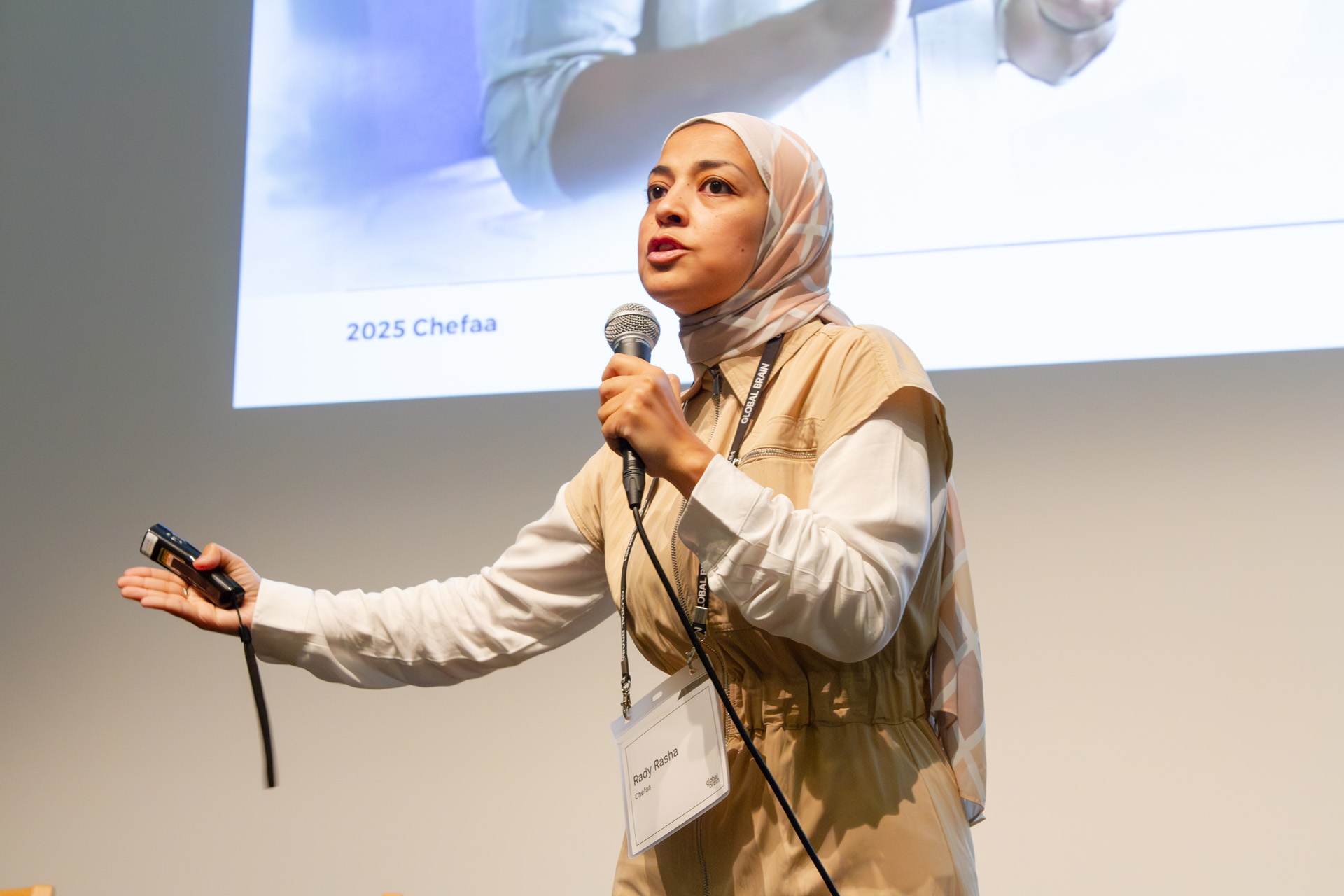
Chefaa, founded in Egypt, is a comprehensive healthcare services platform centered on a digital pharmacy.
Co-founder and physician Rasha explained that medicine inventories vary widely by pharmacy in Egypt, resulting in chronic-care patients not always receiving the medications they need. Chefaa addresses this by providing a mobile app through which patients can upload prescriptions and receive efficient delivery from nearby pharmacies.
Beyond improving patient convenience, Chefaa can also provide patient insights to pharmaceutical companies and promote pharmacy digitalization. Collaborating with insurers, the company is expanding into AI-based fraud detection for claims.
As part of the government’s Egypt Vision 2030, which was set in 2016 to advance full digitalization of public services and universal health coverage, Chefaa is preparing API integrations via its mobile app to support broader public access to medicines.
Chefaa currently serves over 3.5 million monthly active users and plans to continue expanding across Egypt.
Beacon Power Services(BPS)
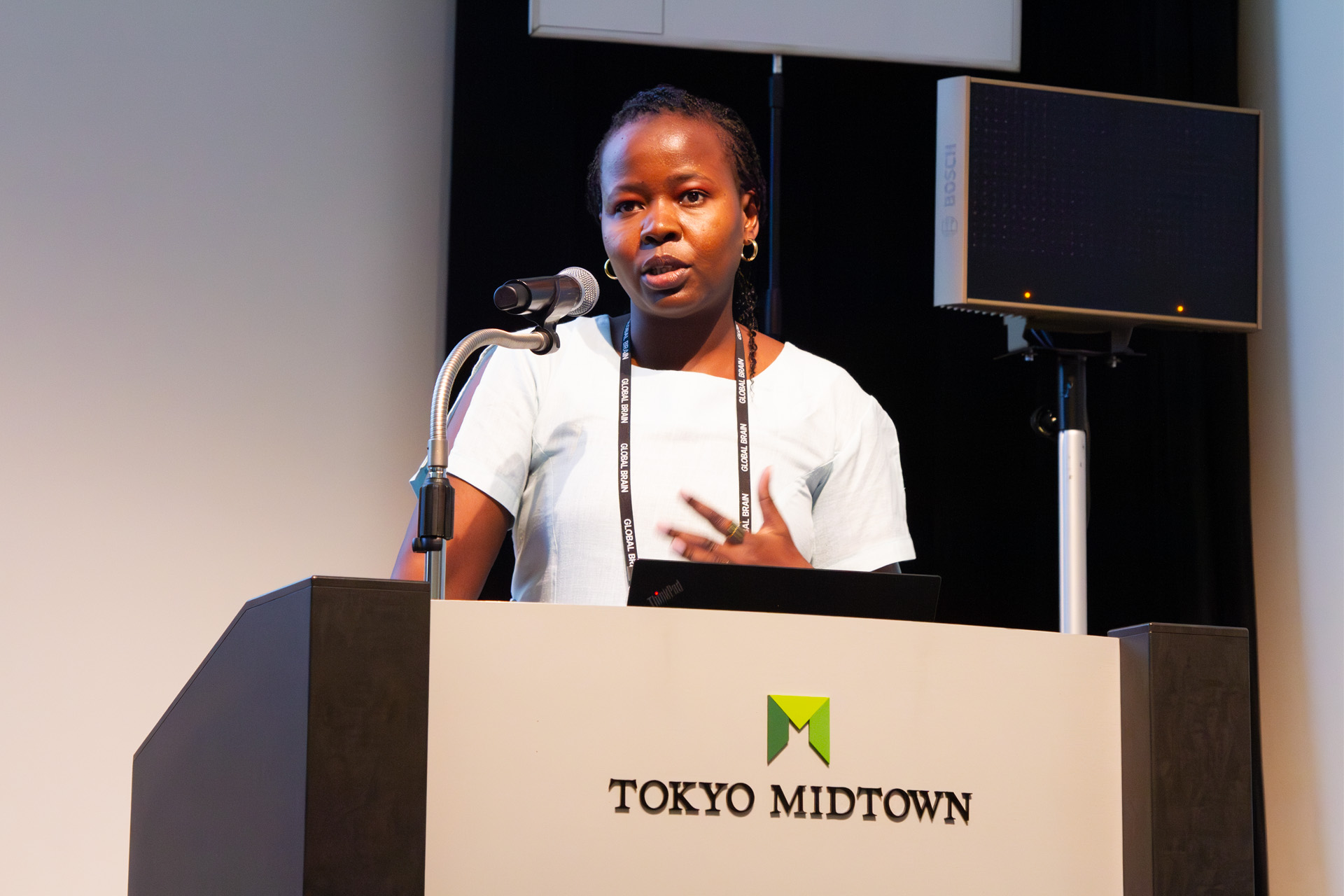
In Africa, deep-rooted challenges in power transmission and distribution lead to up to USD 10 billion in annual revenue losses for utilities. BPS tackles this through multiple solutions.
With CAIMS, its cloud service for customer and asset management, utilities can manage grid layouts and system maintenance more efficiently. ADORA provides a digital-twin, real-time view of the grid for monitoring and control. These solutions address the evolving needs of African utilities.
According to Zaina, BPS has helped one Ghanaian utility triple its revenue. Across Nigeria, Ghana, Zambia, Tanzania, and Togo, the company estimates it contributes to approximately USD 600 million in additional annual revenue (figure under confirmation).
Rise
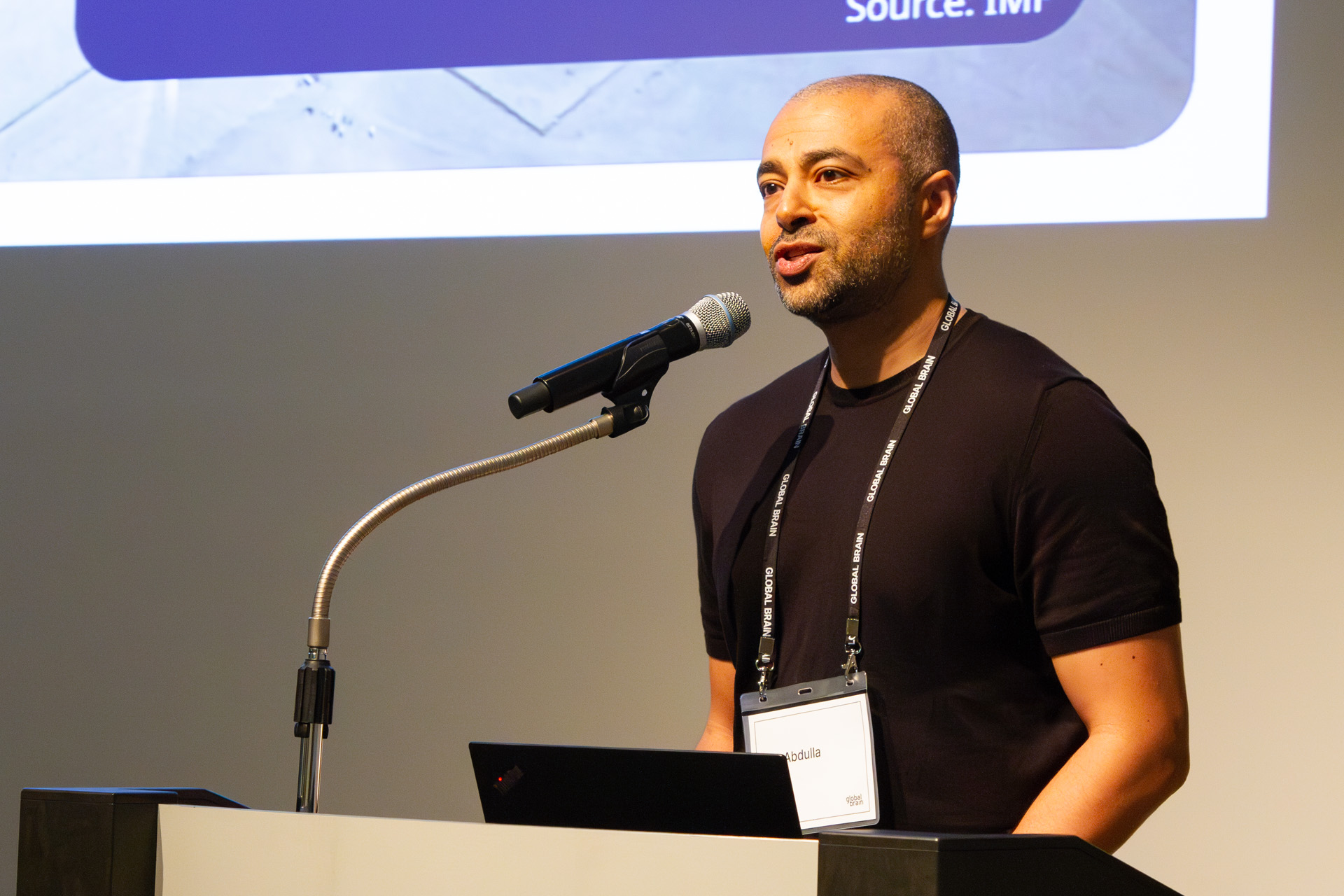
Rise is an Egypt-based fintech aiming to offer a mobile-first digital bank for consumers in Egypt.
Abe highlighted the financial inclusion challenge: around 85% of the population lacks bank accounts, and credit card penetration is below 1%. Rise aims to provide digital banking services akin to Brazil’s successful Nubank.
Upon receiving a digital bank license from the Central Bank of Egypt, Rise plans to offer low-cost credit cards. This aligns with Egypt’s national policies on digitalization and financial inclusion, creating favorable tailwinds.
Abe concluded with an ambitious goal: 7.5 million accounts by 2031, helping to drive Egypt’s financial transformation.
Advice from African VCs for Japanese Companies
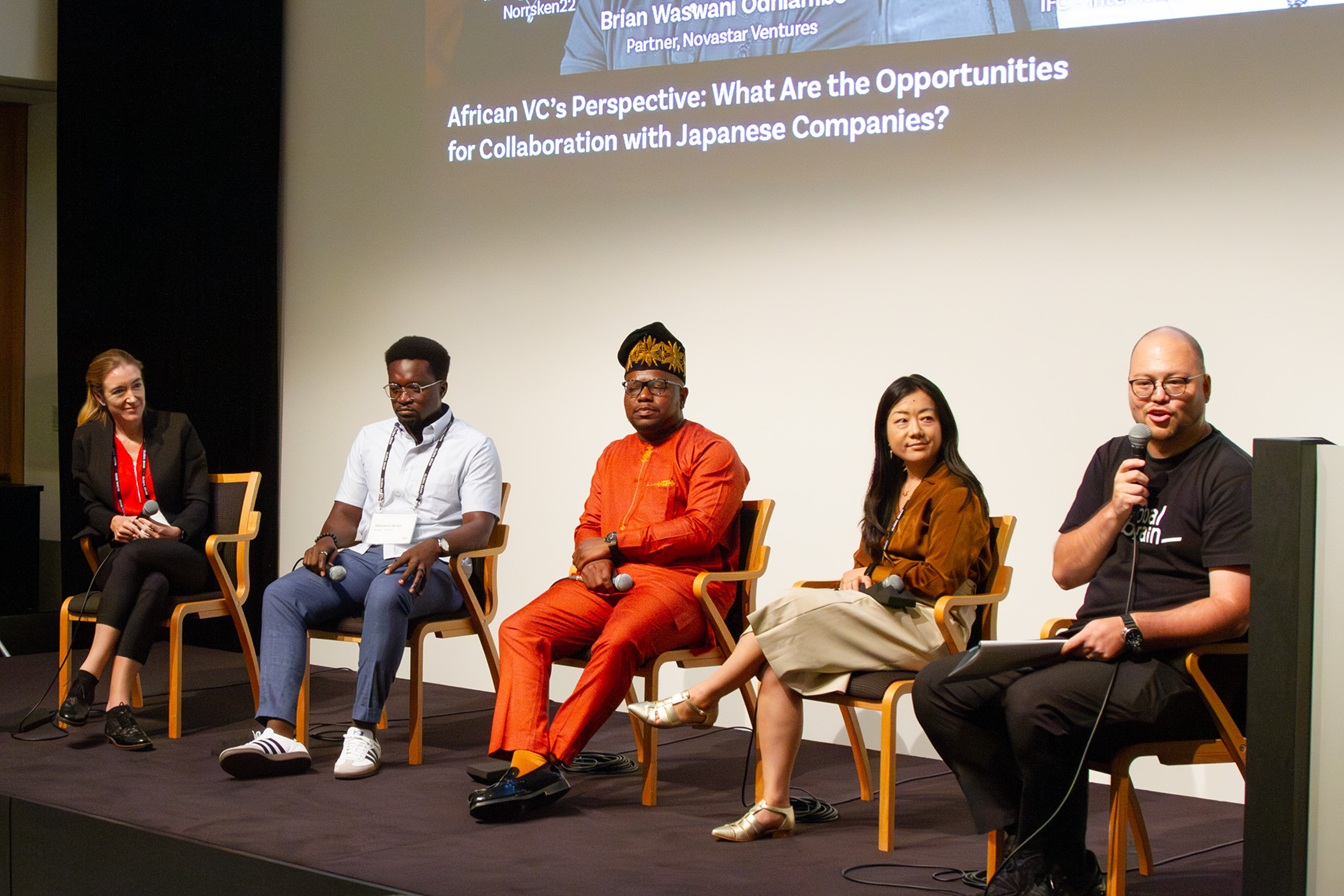
The final session, African VCs on the Opportunities for Collaboration with Japanese Companies, gathered four leading investors to discuss Japan-Africa collaboration.
Speakers
-
Natalie Kolbe, Managing Partner, Norrsken22
-
Brian Waswani Odhiambo, Partner, Novastar Ventures
-
Idris Ayodeji Bello, Founding Partner, LoftyInc Capital
-
Aya Imai, Associate Investment Officer, Disruptive Technologies & Funds / Africa, IFC – International Finance Corporation
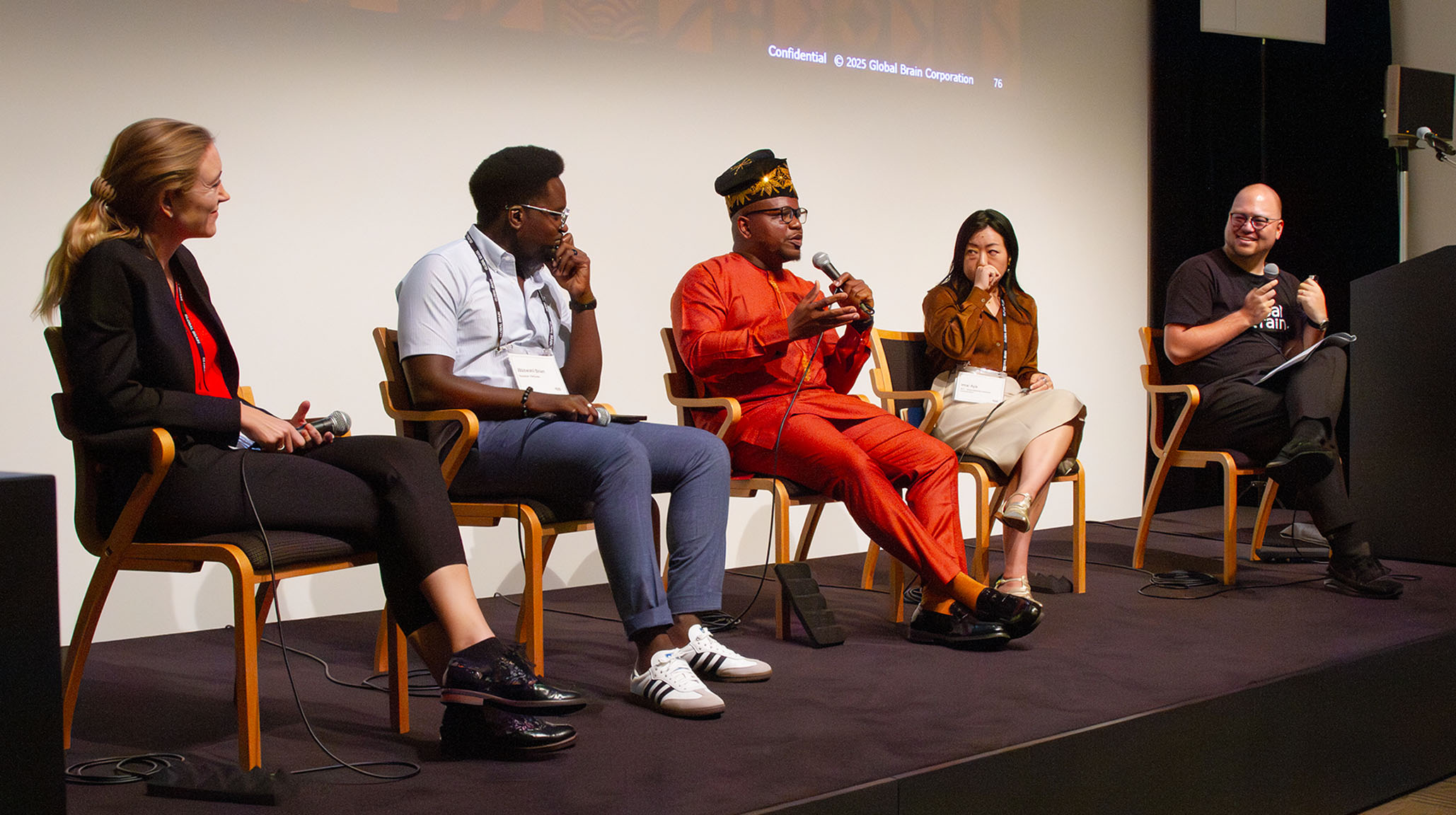
The panel first addressed the attractiveness of African markets for Japanese companies. Natalie noted that a large share of Africa’s 1.3 billion people are under 19, making it a compelling, digital-first consumer base. She added that if a product can succeed in Africa’s lower-income segments, it can succeed anywhere, underscoring the continent’s potential as a proving ground.
The discussion then moved to Japanese strengths when entering Africa. Aya pointed to Japan’s advanced capabilities in AI, manufacturing, and mobility, which can contribute early to building the foundational infrastructure Africa needs. Brian—whose fund counts multiple Japanese corporates such as SBI and MOL as LPs—said integrating Japanese know-how into African supply chains and distribution channels creates significant value.

Idris emphasized that collaboration with Africa requires change: as conditions evolve rapidly, companies must build organizations that decide quickly. He encouraged Japanese corporates to increase their speed and become comfortable with seizing opportunities rather than avoiding risk.
When asked for final advice to Japanese companies, all panelists recommended “starting small.” Rather than committing large sums at once, begin with small investments or partnerships with funds, learn local realities, and identify trusted partners before scaling.
Natalie closed with a strong message: “Africa is where the future of the world is headed—and it will be the center of the global workforce. Please come and start engaging step by step.”

Toward Japan-Africa Co-Creation
After the main sessions, a networking reception enabled speakers and participants to continue the discussion—diving deeper into session topics and exploring new avenues for collaboration.
We hope AMA serves as a springboard for more co-creation between Japan and Africa. Guided by GB’s mission to “bring unimaginable innovation into society,” we will continue to build opportunities that catalyze innovation.
Affiliations, titles, and figures are as of the time of coverage.
(Reported and written by the Universe Editorial Team)