How the Global eSIM Provider trifa Achieved Sevenfold Revenue Growth with Almost No Staff Increase
This article highlights how trifa, a Japanese startup providing an eSIM app for international travelers, improved business operations by working together with Global Brain’s hands-on support team.
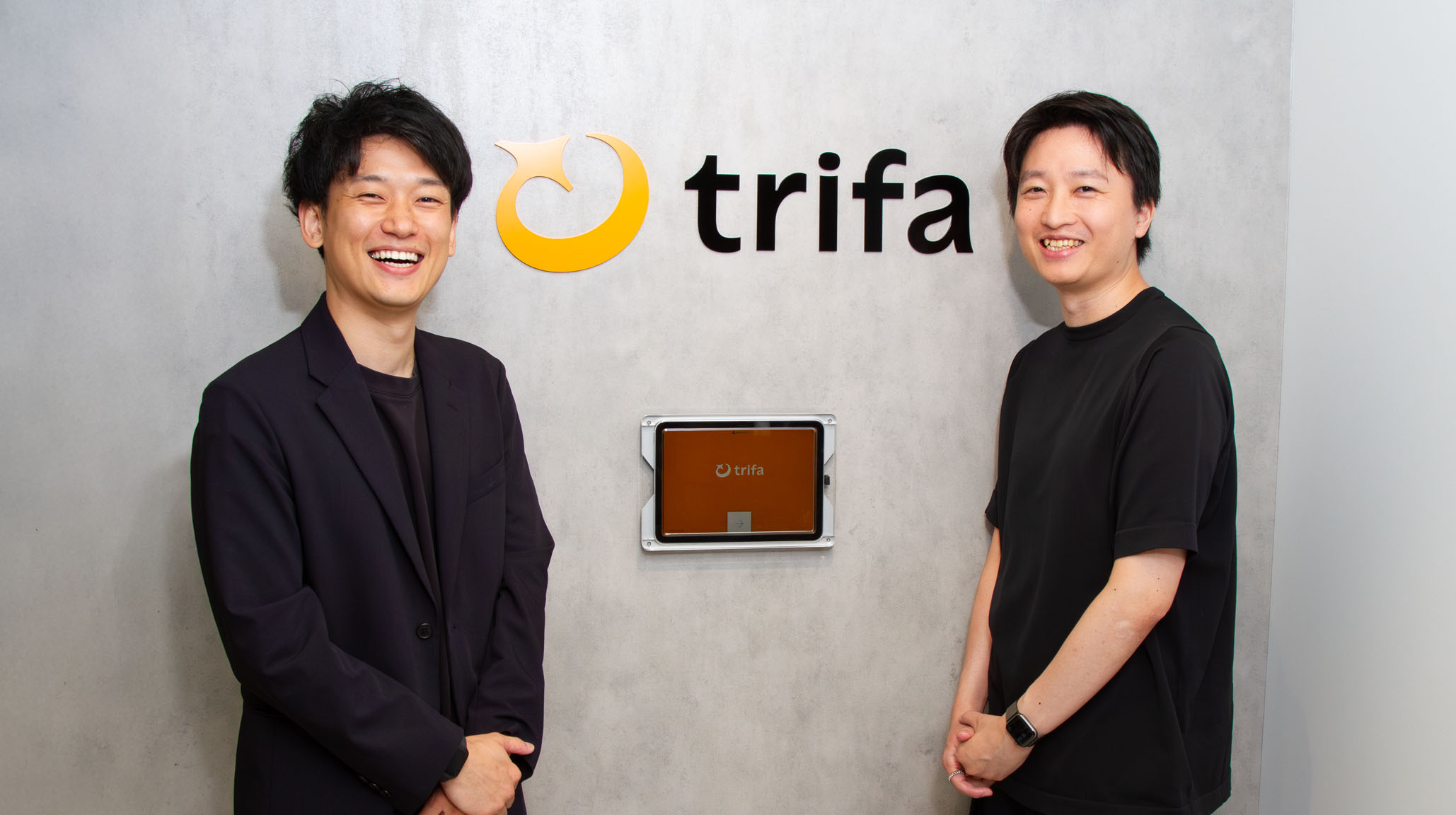
trifa Inc. (trifa) is a startup providing an eponymous eSIM app, trifa, for international travelers. While the number of new users was steadily increasing, the startup was facing challenges, such as not having thoroughly identified the KPIs to track or lacking experience in corporate sales to expand its business.
To address such challenges, trifa teamed up with the Value Up Team (VUT), the hands-on support team of the Japanese independent venture capital firm Global Brain (GB), which is also their investor. By implementing measures in various areas from business planning, strategic analysis, marketing, sales, development, to organizational HR, trifa achieved a sevenfold increase in revenue in just about a year.
How did trifa accomplish such growth without significantly increasing its headcount beyond a dozen people? We asked trifa’s CEO Masatoshi Kana and VUT’s Akeo Ito to share the key factors behind the success.
Summary of the support
[Challenges]
-
Unclear KPIs: While trifa had a revenue target, they had not precisely identified specific KPIs to drive revenue growth.
-
Slow decision-making: Unclear KPIs resulted in reluctance to make cost-intensive decisions, such as advertising spending.
-
Lack of resources due to a small organization: Lack of experience in B2B business negotiations as well as expertise and resources regarding best practices for development hindered improvement in various areas.
[Primary support projects]
- Redesigning of key KPIs, formulation of business plans/strategies, development of marketing strategies including TV commercials, standardization of corporate sales processes, implementation of Scrum, and establishment of a job grading system
[Achievements]
-
Clarified KPIs and improved decision-making: Identified KPIs that need to be improved to have an impact on business. Enabled accurate decision-making as to when to implement measures.
-
Analyzed customer behavior and diversified marketing channels: Deepened customer understanding through user analysis and surveys. Enabled execution of appropriate marketing measures such as outdoor ads and TV commercials.
-
Gained expertise in various areas, achieving sevenfold revenue increase: Strengthened capabilities in various areas including sales, development, and organizational HR. Established a framework enabling appropriate business activities for an appropriate product, driving revenue increase.
The number of users is increasing, but…
──Could you walk us through trifa’s situation before working with VUT, especially the business challenges you were facing?
Kana: We started to work together with VUT in June 2024. We had around 12 to 13 employees back then.
Our biggest challenge at the time was that we had not determined which KPI we should prioritize. The KPIs that should work as levers for increasing revenue were not clear, and it is not an exaggeration to say we were just chasing revenue as a KGI.
We certainly tracked the cost per acquisition (CPA) and customer acquisition cost (CAC) and were aware of the changes in these metrics. But, as a team, we did not have a common understanding of why those numbers were fluctuating or what actions we needed going forward.
In such a situation, we had no idea when and how much to boost our advertising. While marketing is crucial as we offer a B2C service, it was difficult to make decisions on where to allocate the budget due to unclear advertising goals.
So, the first thing we worked on with VUT was identifying which KPIs to focus on. Through many discussions, we were able to break down our business operations and gain clarity on the essential KPIs we needed to prioritize for growth. That was very beneficial.
Based on the KPIs we identified, they supported us across a wide range of areas, including marketing, sales alliance, development, and organizational HR.
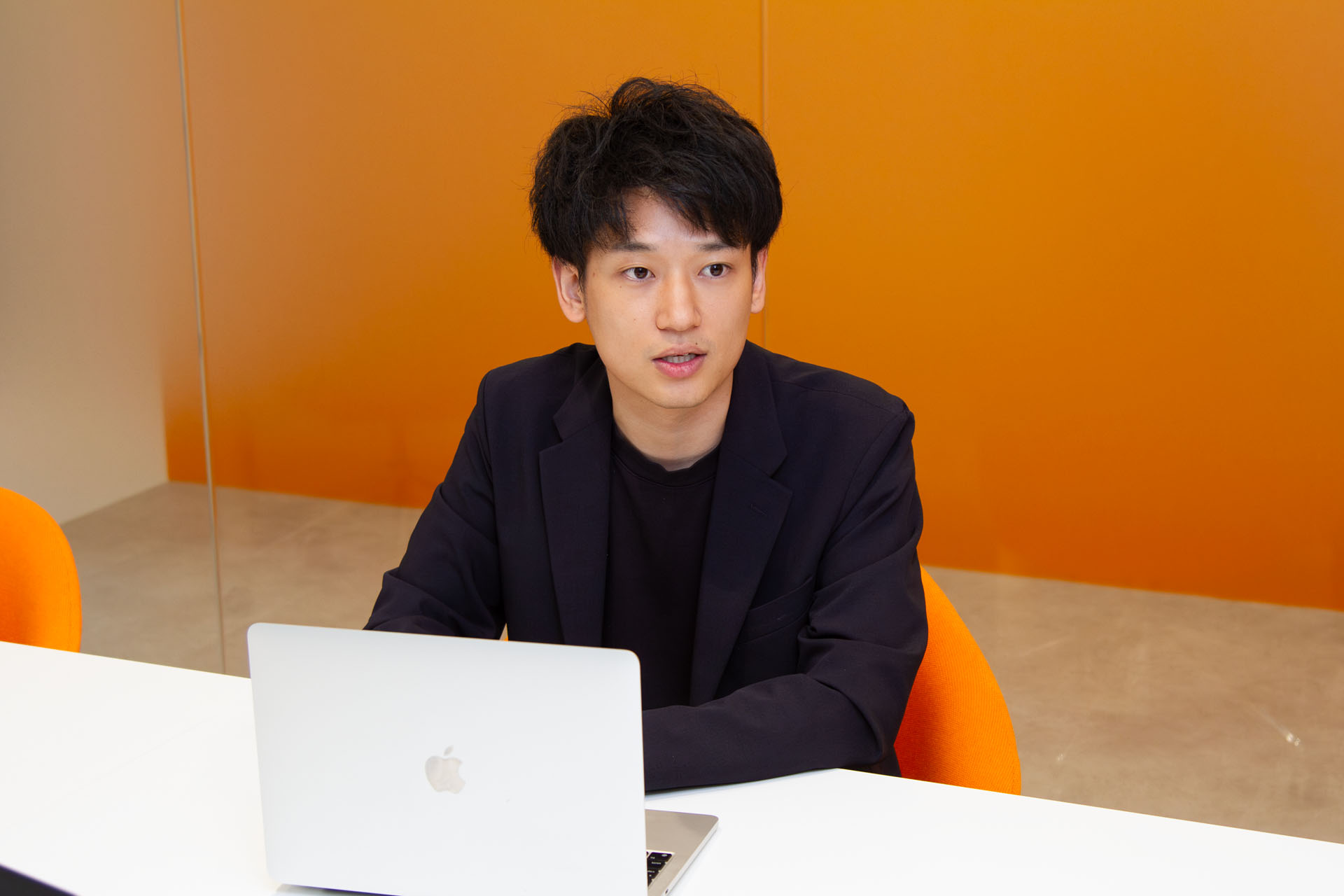
──Why did VUT decide to provide such comprehensive support?
Ito: There are two primary reasons.
First, trifa was already seeing steady growth in terms of the number of new users. This was proof that they were offering a product that can solve user pain points at a necessary and sufficient level. We at GB were confident that if trifa could further systematically analyze their business, identify the levers for growth, and build a framework for continuous improvement, they would achieve even greater leaps forward. That is why VUT decided to support trifa in various areas and accompany them on their journey of sustained growth.
The other reason is that trifa was ready or willing to work with VUT. From the start, they welcomed us positively and shared all information about their business openly. This enabled us to understand the current state of their business accurately and provide precise support.
Kana: Back then, trifa was a small organization and lacked sufficient CXO talent. Therefore, I needed insights from people with experience regarding potential business pitfalls that I would not think of myself and things I should consider for future growth. I felt no hesitation in sharing information as it was essential for VUT to understand our current situation so that they could properly sort out areas for support.
The core of marketing revealed by understanding customers
──Tell us about the specific measures. How did you redesign the KPIs that you mentioned earlier?
Ito: We asked for access to trifa’s database and analyzed user activity patterns. We looked into the data from various perspectives, including the repeat purchase rate after specific months for new and existing users, the average period between the current and next use, and the reactivation rate for each dormant period.
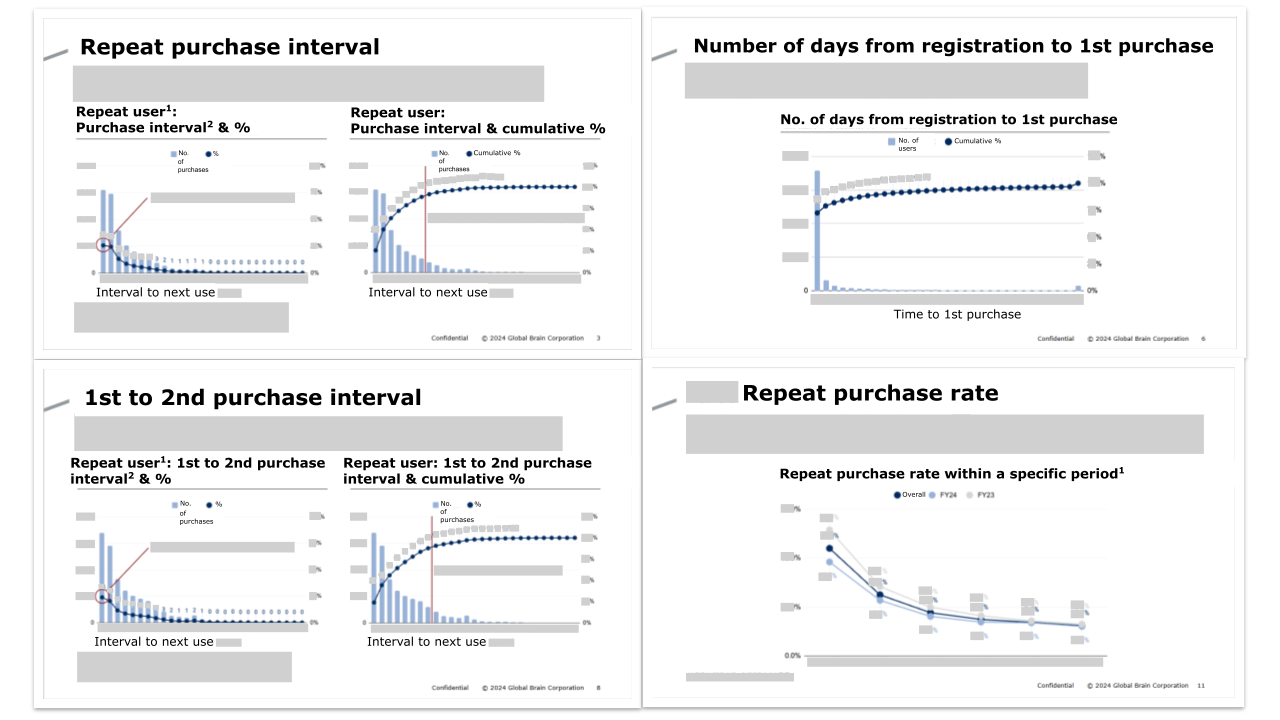
There are two main benefits of this analysis.
First, it enables precise understanding of the immediate short-term business performance. Simply monitoring general metrics like revenue or the number of users is insufficient to identify business challenges or implement concrete measures.
For example, revenue can be broken down into the number of purchasers multiplied by average revenue per user (ARPU), and ARPU can be further decomposed into the number of items purchased per user times average purchase price. Furthermore, these should be considered separately for new users and repeat users. Breaking things down in this way makes it possible to quickly identify which metrics have room for growth.
The second is that we can track user dynamics. This allows us to clarify the necessary elements and conditions for growing the business from a medium- to long-term perspective.
For an app service like trifa, it is necessary to accurately track how long it takes from installation to an actual purchase or how long it takes for users who used the service this month to use it again next time. Since trifa is not a monthly subscription service but a pay-per-use service, predicting repeat usage and defining what constitutes retention are particularly important.
From these perspectives, we designed the key KPIs to watch by going through repeated discussions and analyses with trifa members.
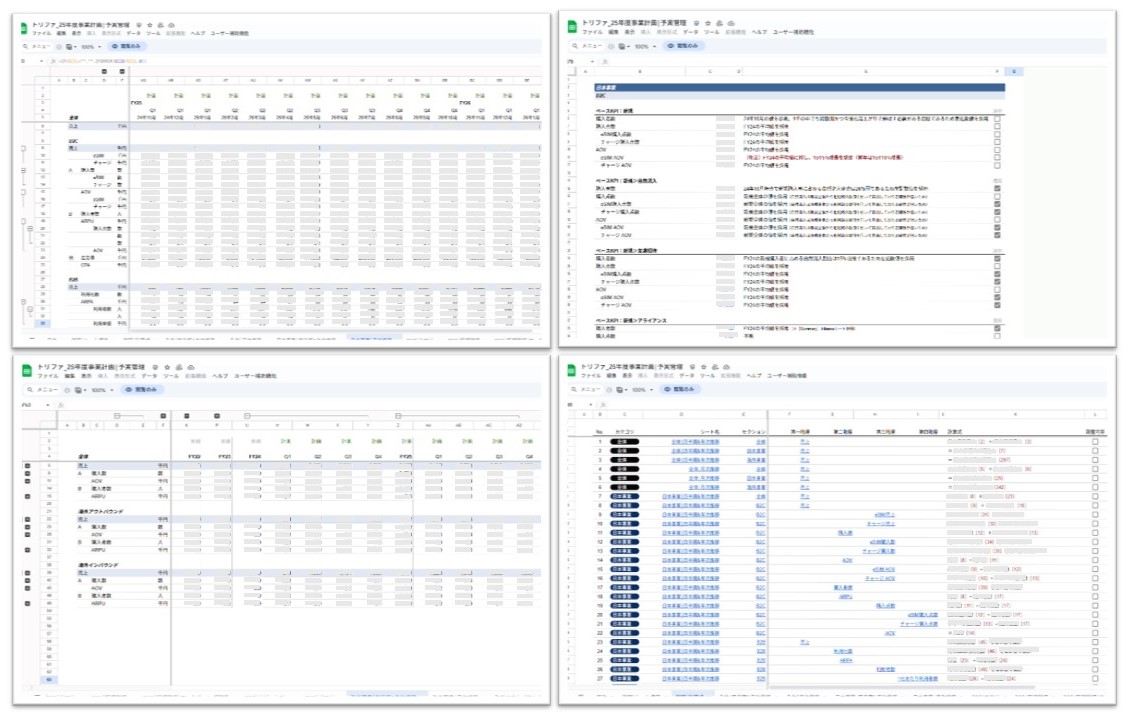
Setting KPIs is not the goal; it is crucial to systematize them for regular monitoring. Building on the user dynamics that I explained earlier, we created a model that in the month of X of the year X, we will have X new users, of which X% will repeat after X months, resulting in X yen in revenue. Based on this, we established a framework for formulating business plans and managing performance. We provided hands-on support, including creating the spreadsheets used for the performance management.
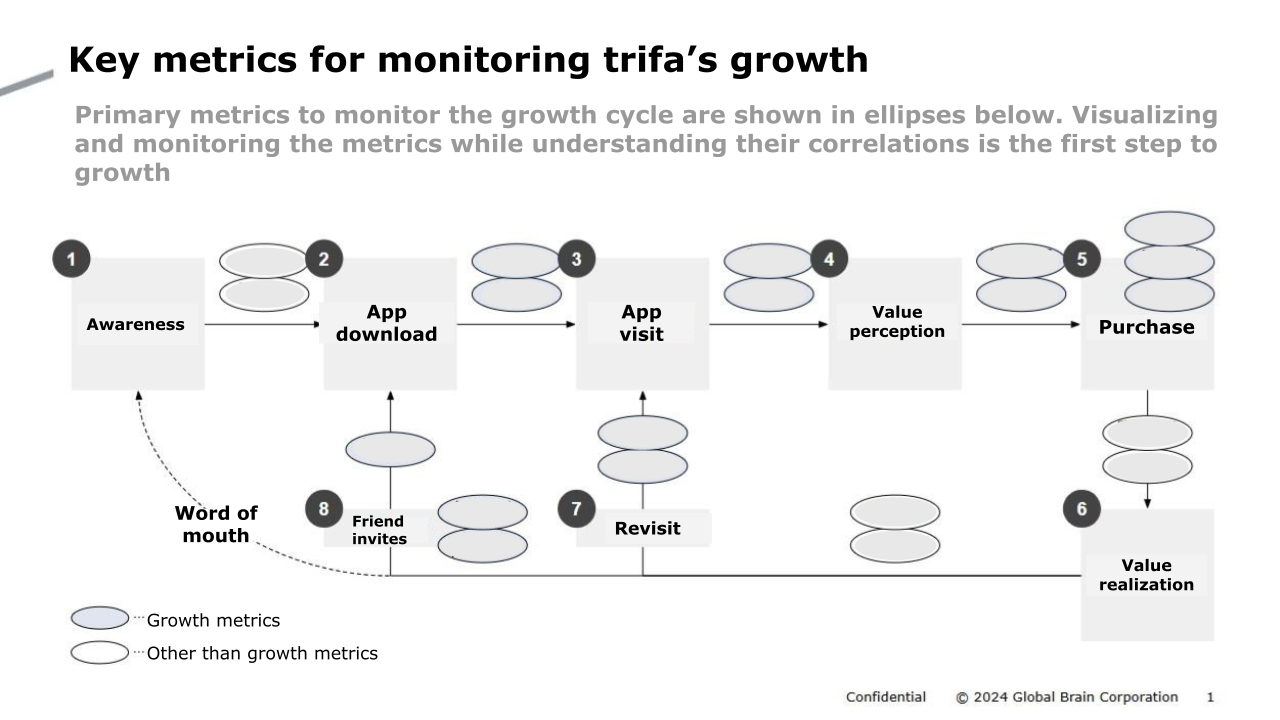
──I see you started by laying the groundwork for the business, such as analyzing users and redesigning the business plan. What were your next steps to increase revenue?
Ito: There are three main drivers for revenue growth: expanding the customer base, increasing usage frequency, and raising the average transaction value. After redesigning trifa’s business KPIs, we concluded that rather than improving the difficult-to-control metrics of average transaction value and usage frequency, it would be better to focus on expanding the customer base.
Expanding the customer base means to be chosen by people with travel needs. To achieve this, we needed to understand traveler needs, trifa’s brand awareness, and the specific segments with high eSIM demand, specifically their travel destinations and frequency. Therefore, we conducted a survey using an external questionnaire service.
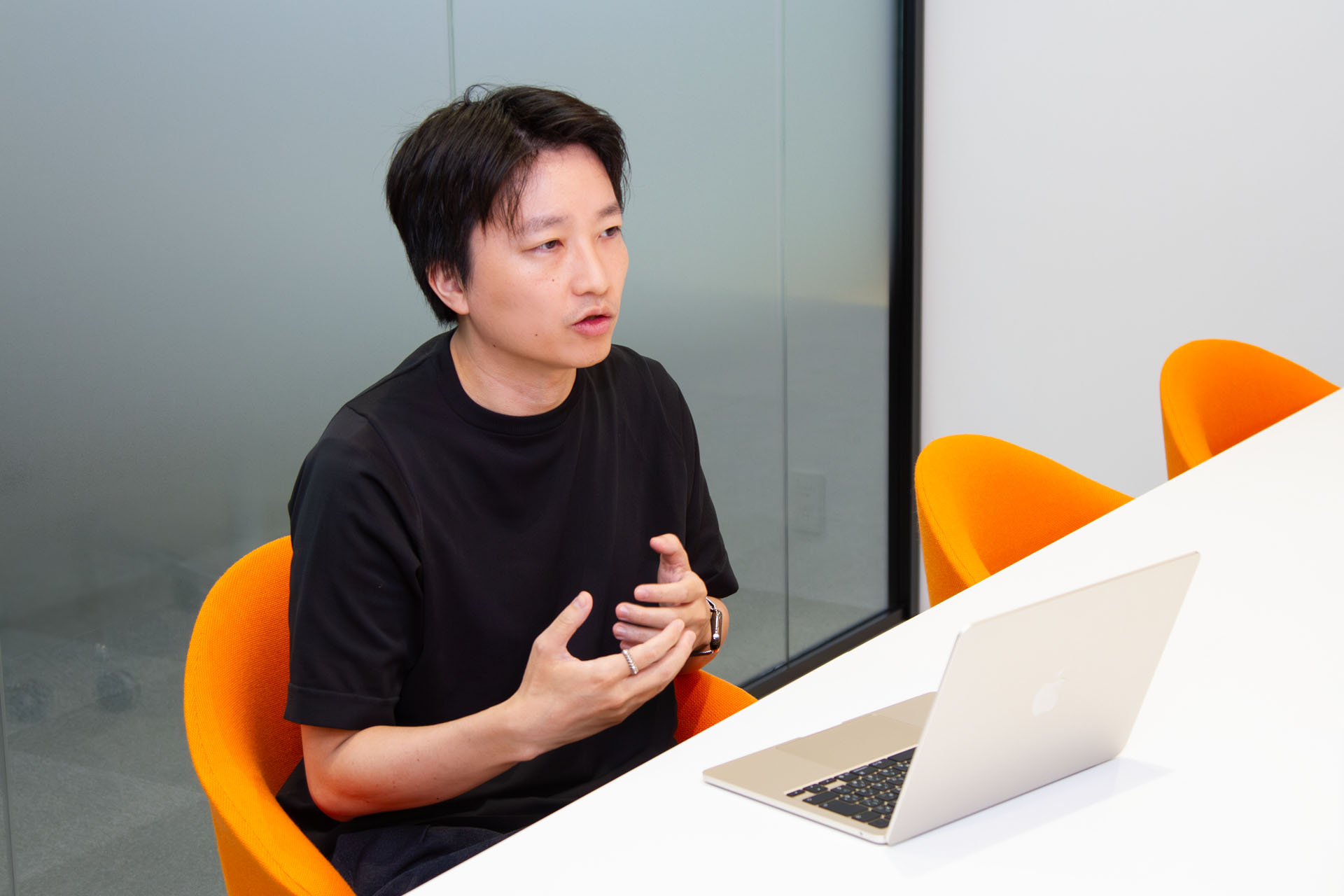
Kana: Since we had never done a survey, the VUT team assisted us with the survey design.
The most significant finding from this survey was the revelation of the user behavior patterns regarding what they prepare and how many days before an overseas trip they prepare them.
Similar surveys have been conducted by major travel agencies, but results varied widely depending on the source. When we collected the data on our own, we found that about 30% of users prepare their communication methods on the day or the day before the trip.
Identifying this 30% user volume led us to discuss how to reach this segment that cannot be fully reached through upfront digital marketing alone. We eventually reached the decision to actively increase advertising at the airport and on trains en route to the airport. These types of outdoor advertising have now become a crucial marketing channel for trifa.
──So, you have overcome the confusion about advertising costs you mentioned at the beginning. What specific actions did you take in planning advertisements and marketing initiatives?
Ito: We worked on various initiatives, such as developing a system to measure the effectiveness of train advertisements. Among them, the TV commercial project led primarily by our team member, Shotaro Tanigawa was particularly noteworthy.
We provided support throughout every phase of the project from developing the strategy featuring Mone Kamishiraishi, a Japanese actress and singer, as the brand ambassador to editing, as well as organizing the launch event for the press. This was the first time for VUT to support such a project, and it proved to be a valuable learning experience for us as well.
Sales, development, and HR also refined
──Next, I would like to ask about your sales alliance efforts. While trifa is a B2C service, I understand you have also been pursuing corporate sales.
Kana: Yes. We had been receiving inquiries from multiple companies asking if they could collaborate with us. A typical alliance model with our company involves providing trifa’s service via OEM, allowing other companies to launch their own original eSIM services. OEM sales were also something we wanted to focus on going forward, so forming alliances was one of the initiatives we were eager to pursue.
However, due to our limited experience with B2B negotiations, we had not been able to properly articulate what corporations seek or what the goals are in corporate negotiations, nor had we established a shared understanding internally.
So, for sales and alliances, we primarily received support from VUT’s Takeuchi-san. By having him accompany us to client meetings, I feel that a shared sense of expected quality for these meetings has permeated throughout the company. Furthermore, his approach of doing what needs to be done, such as discerning whether the person we are facing is a key person or taking the initiative and quickly scheduling the next appointment, became ingrained in our practices. This has become an asset for trifa in the long run.

──I understand you also worked with VUT on development and organizational HR. What aspect had the greatest impact on trifa’s growth?
Kana: On the development side, the biggest factor was implementing Scrum. We can now align the team’s understanding on a weekly basis, saying, “Given our current development organization’s capabilities, let’s proceed with this development task,” and make it visible and shareable with other teams. This enabled the team to discuss and decide development requirements, set deadlines, and operate in a sound, autonomous manner.
I often consulted Kawasaki-san, an external partner of VUT and former long-time CTO at Wantedly, about development-related best practices. As I was the most senior engineer at the time, I was grateful to have someone I could frankly ask questions such as “How are these things typically done?”
Regarding organizational HR, Yabuta-san supported us in building a grading system. By incorporating a fair perspective of external parties like VUT, we were able to create one that our employees can be happy with.
Focusing on the basics: The key to growth
──trifa’s revenue grew sevenfold in about a year with virtually no change in headcount. Where do you see the drivers of this growth?
Kana: Since we have set higher goals, we feel we still have a long way to go, but I believe the key factor for growth is that we took the right actions at the right time, with an excellent product at the core. As a result, recommendations by the users have also increased. I think the driving force behind our growth is that everything—the product, the market, and customer support—is functioning robustly and seamlessly.
Ito: I think the major success factor for trifa is that they are focusing on the basics and working on them diligently.
Also, another factor is that establishing the KPIs has made it easier to implement the PDCA cycle. Even if there is a gap between revenue target and actual performance, I think it has become easier than before to quickly identify the issues and discuss what countermeasures to take.
Kana: Exactly. Proper KPI analysis provides greater clarity in decision-making, identifying which levers to pull among various metrics to significantly impact the top line and the business.
When we first started receiving support, Ito-san had once said, “Even if this initiative succeeds, it might not have much impact. Let’s focus on identifying what truly needs to be done now.” Since then, whenever we decide on a measure, we carefully examine whether the change will genuinely have an impact on the business, even if it succeeds. It may seem obvious, but I believe it is crucial.
Beyond that, I think the biggest success factor was building a strong rapport with everyone on the VUT team. Maintaining close communication with the support members allowed us to accelerate growth across all areas.
──You mentioned how Ito-san’s advice influenced Kana-san. Is there anything specific that VUT keeps in mind in terms of communication when offering support? There is always a concern that support and advice from VCs to startups can sometimes be overly intrusive.
Ito: I think it is important to clearly demonstrate our stance. We do not just offer advice from the outside. We show, from the very beginning, that we dive into the chaos together, gather firsthand information, move our hands, and put in hard work. This means that we do not just sit in at corporate sales meetings together but also identify key points for verifying hypotheses and compile all meeting minutes. Our motto is to provide support as if we were members of our portfolio companies.

trifa’s outlook: Aiming to become an infrastructure for trips
──Earlier you mentioned your goals are set even higher. Could you share trifa’s outlook and the vision you have for the future?
Kana: The service name trifa is short for trip infrastructure, reflecting our aspiration to become the foundational service for international travel. While our initial phase involves delivering eSIM services, we plan to expand to other travel-related domains like insurance and payments going forward.
We also want our services to be used by people around the world, not just by Japanese people. Broadening our footprint across two axes—sectors and regions—is what we believe will become the next organizational “muscle” trifa needs to develop, and it is a major challenge. Building on the insights we gained through our journey with VUT, we are committed to striving toward our vision of becoming an infrastructure for trips.
Note: Affiliations, titles, and figures are as of the time of coverage. (Interviewed and written by the Universe Editorial Team)