Four-Fold Increase in Win Rate: The Japanese Startup DoctorMate’s Intensive Sales Transformation
This article delves into how DoctorMate, a provider of medical solutions for nursing care facilities, improved sales with the help of the hands-on support team at Global Brain, a Japanese independent venture capital firm.

DoctorMate Inc. (DoctorMate) is a Japanese startup that provides medical solutions for nursing care facilities and has a Business Development Representative (BDR) team responsible for acquiring new customers. The team takes an outbound sales approach, and as is often the case with the BDR team’s work, they were dealing with customers with low motivation and thus struggling to improve their order closing rate for some time.
Hence, they teamed up with the Value Up Team (VUT), the hands-on support team of the independent venture capital firm Global Brain (GB), and started to work on sales improvement measures. Thanks to these measures, they managed to increase the closing rate fourfold from 3-5% to 20-25% in just two months.
We spoke with Taisaku Okumura, General Manager of Area & Enterprise Sales and Ayako Yamada, sales representative of DoctorMate, and Takuji Chida of VUT, who worked together on the set of initiatives.
Insufficient sales phase analysis
──Tell us about the challenges you were facing before you started to work with VUT. Could you also tell us about the scope of the BDR team’s work and the products they handle?
Okumura: Our BDR team is a field sales team that conducts business negotiations for appointments mainly made by outsourced telemarketers. The negotiations that they handle have a lot of BDR aspects, which is why we call it the BDR team.
Since most of the negotiation opportunities were obtained through outbound sales, the BDR team back then was in a tough situation with an order closing rate of 5% at best and 3% at worst.
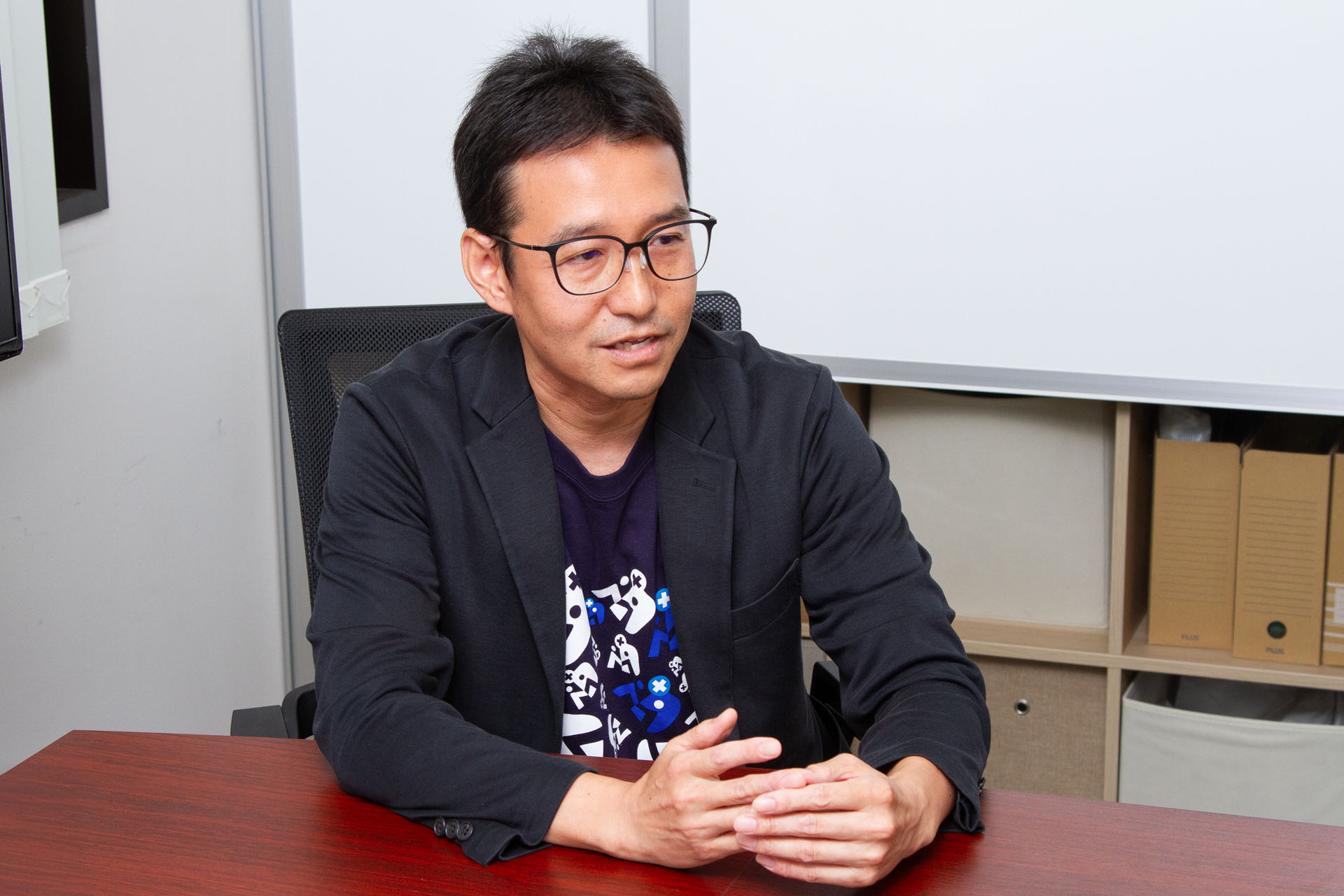
Yamada: While working as a sales representative, I also served as the leader of the BDR team, where I worked to improve the closing rate. I was trying to do everything by myself, from sales to managing team members, providing feedback to the marketing team on the quality and quantity of leads, and analyzing phases and transition rates. But, to be honest, it was difficult in terms of capacity.
──That was when you started working on improvement measures with VUT. What did you begin with?
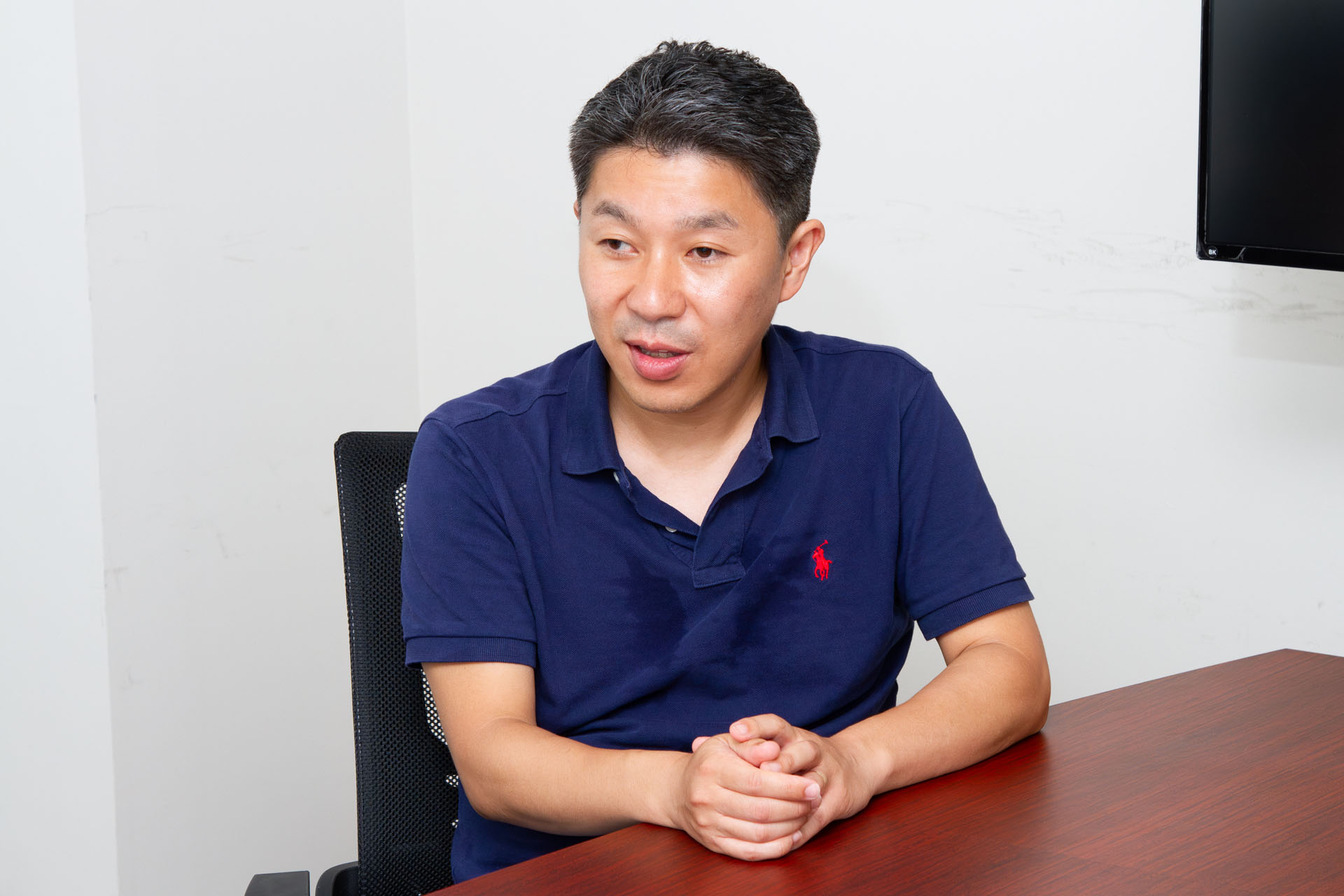
Chida: First, we interviewed key members at DoctorMate, including the COO, Miyazaki-san, to learn about the company’s situation. We asked them a wide range of questions about sales, including not only the details of the product but also the sales structure, negotiation processes, and details about the team members, and formulated hypotheses about where the issues might lie.
If you are not getting results in sales, in most cases, there is usually a problem with either the product, target customers, sales proposal content, or sales negotiation management process. So, for DoctorMate too, we did a series of internal interviews focusing on these four elements.
Based on the insights we gained, we reviewed the products and target customers. Regarding the products, we decided to focus on improving sales of Online Psychiatric Medical Guidance (only in Japanese), a service that allows staff members at nursing homes and welfare facilities to consult with psychiatrists online about dementia and mental illness among residents.
Additionally, the sales proposal content and sales negotiation management process seemed to have much room for improvement.
Although DoctorMate had defined sales phases at the time, management and analysis based on those phases were not conducted in sufficient detail. That is why the team was unable to fully verify where the bottlenecks existed in the process from negotiations to closing, or what the differences were among individual sales members.
To address this, we conducted a detailed analysis of closing rates based on the sales phases, focusing on identifying the sales phase with the greatest impact on closing rates and understanding the factors causing that phase to bog down.
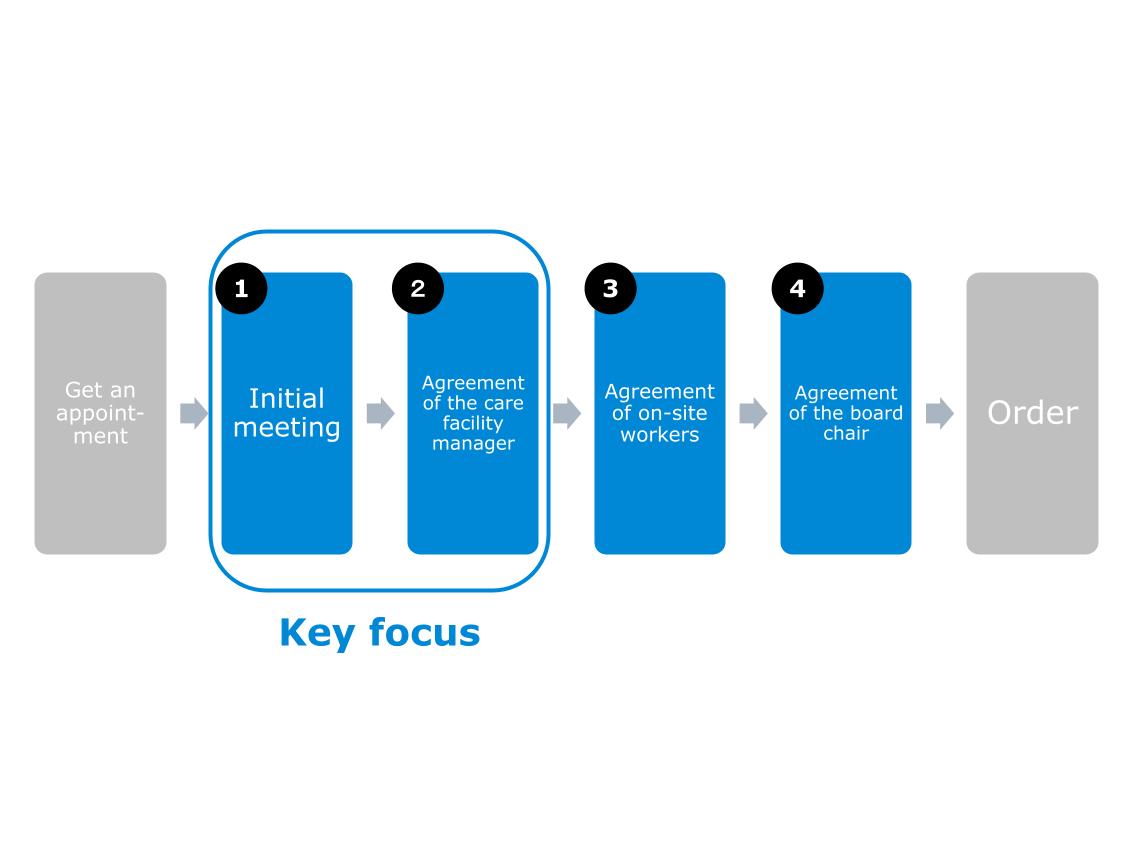
DoctorMate’s sales phases include nine to eleven steps, but they can be roughly categorized into four key steps.
Specifically, the first step is to obtain the agreement of the care facility manager after the initial meeting. The next step would be to obtain agreement of the care staff working on-site. Then, obtain approval by securing the agreement of the board chair of the legal entity overseeing the care facility. The final step is securing the order. These are the key steps at DoctorMate.
Based on an analysis of past sales meeting data, we hypothesized that if the BDR team could focus on improving the first phase from the initial meeting to obtaining the agreement of the facility manager, the order closing rate would likely improve immediately.
We also discovered that there was a significant gap among sales members regarding whether they can proceed to the next step, especially in obtaining the facility manager’s agreement after the initial meeting.
For example, while some sales members were able to obtain the facility manager’s agreement at a rate of 60 to 70%, others were only at 20 to 30%. This means that there was a maximum difference of two to three times in the closing rate for this phase alone.
Therefore, we set a target to ensure that all members achieve a transition rate of around 50% for this phase, which will in turn boost the closing rate itself.
──It may seem like a roundabout way to focus solely on improving the rate of advancing to the next phase rather than trying to improve the closing rate itself. Okumura-san and Yamada-san, what did you think of this idea?
Yamada: I thought this was a positive approach. The BDR team had previously been pursuing one major goal which was to increase the closing rate, and when we reviewed our sales activities, we had only conducted qualitative evaluations such as the trends of customers that placed orders.
I think that setting a specific goal of achieving 50% in the first phase made it more realistic and easier to work on.
Furthermore, while it may seem unrealistic to suddenly improve the closing rate, achieving a 50% first-phase transition rate was already a reality for some team members. With a practical goal in mind, members were now able to think about how they can achieve it and take action.
Right after implementing the improvement measures, achieving 50% agreement rate with facility managers became the team’s motto, and it has now become commonplace to have conversations using quantitative terms, such as “Let’s see why we fell below 50% this week.”

Analyzing top performers and adding a twist to regular meetings
──What did you actually do to increase the phase transition rate?
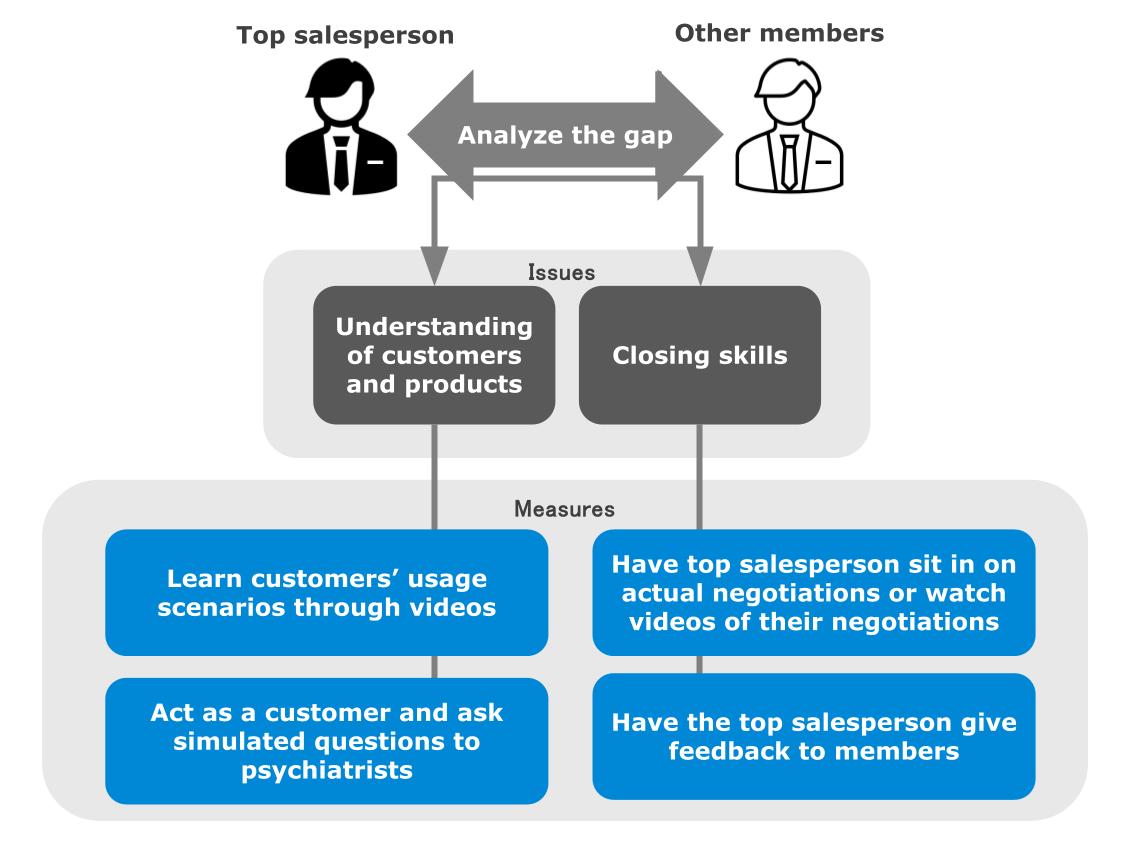
Chida: First, we interviewed the top salesperson on the BDR team and analyzed why the person was able to advance to the next phase. We also identified the differences between their negotiations with those of other members and sorted out the underlying causes in detail.
By doing so, we found that there were two reasons for their success: deep understanding of the products and customers and the closing skills. After consulting with Okumura-san and Yamada-san, we decided to provide training to other sales members to deepen their understanding of the products and customers, while also working to improve their presentation skills.
Okumura: We had our sales members do various types of training to understand our products and customers.
These included basic things like having them watch quite a number of videos of care facility staff who are using Online Psychiatric Medical Guidance actually asking questions to psychiatrists. This was to understand actual usage scenarios.
Sales members also repeatedly did role play exercises where they acted as the care staff and asked simulated questions to psychiatrists. They tried hard to imitate the care staff and ask questions to the doctor, but sometimes the questions would be out of place. This made them realize that they needed to learn more, which deepened their understanding of the feelings of the care staff who are our customers.
Conducting these types of training thoroughly to deepen understanding played a crucial part in achieving the results we saw this time.
Yamada: To improve the closing skills of each member, we also had the help of our top sales employees. By having them identify areas for improvement by watching videos of other sales members’ negotiations and sit in on actual negotiations, we turned our top sales employees into instructors. By synchronizing the sales styles, we raised the overall sales capabilities of all members.
── Besides practical training, what other measures did you take to improve sales?
Yamada: What I think had a significant impact was actively highlighting successful members during regular meetings.
It was not just about presenting numbers and praising individuals. We tried to send a positive message to the entire team by saying “While everyone is working hard, XX did particularly well. If we can all learn from this, I believe the whole team will improve.”
Actually, the day before the regular meetings, I always discussed with Chida-san and Okumura-san how to present the week’s results so that team members would remain motivated going into the next week. I believe this was crucial for driving the team forward.
Okumura: Motivation definitely impacted the performance. Salespersons are typically evaluated by the number of closed deals. There used to be a mindset that those who secured orders regardless of the method were the ones who deserve credit. But now, the process of obtaining the agreement of the facility manager is recognized as an achievement. This likely boosted the members’ motivation.
How the members achieved remarkable growth in just two months
──Could you tell us about the results gained through this strategy and the changes within the team?
Okumura: Within two months of implementing measures to move from the initial sales meeting to the next step, our closing rate reached approximately 20 to 25%. Team members now carry out sales activities with confidence, knowing that using this specific approach, conversation style, and materials in their proposals will lead to deals.
Yamada: I think there is a good vibe in the team now where the members are willing to learn from those who deliver results. Aside from the top salesperson mentioned earlier, we now see employees talking to each other, saying things like, “Let’s ask XX for customer case studies.” It is a welcome change that we now have multiple mentors instead of just one.
──What were the key factors that led to achieving results in just two months?
Yamada: In the previous BDR team, there was a psychological hurdle for learning from those doing well, and there were members who preferred to stick to their own ways.
However, with Chida-san advising us from outside and showing us the differences based on the numbers, I believe we were able to quickly establish the notion that learning from those who are successful will lead to results faster.
That is why we were able to move forward on the shortest path without being bothered by unnecessary rivalry among the team members or questioning other people’s approaches.
The sales members who achieved results quickly were all very receptive. They imitated the top salesperson, absorbed their methods quickly, and grew. When those members are fairly recognized during regular meetings, a positive momentum instantly builds within the team. I am truly grateful to Chida-san for creating such an excellent environment that fostered this positive atmosphere.

DoctorMate’s sales will be even more exciting
──From DoctorMate’s perspective, what is the significance of VUT? For sales enablement like this, many improvement solutions leveraging AI and other technologies have emerged. What do you think the value of VUT is, which deliberately involves human intervention?
Yamada: The fact that VUT is a team from GB which is our shareholder is a surprisingly significant point. Having our shareholders come all the way to our company and work tirelessly with us in a bid to help DoctorMate do better made us want to live up to their expectations.
AI is certainly excellent, and I know that recent AI systems are considerate and kind in their communication, too. But I think that the feeling of wanting to work harder because someone is counting on us is not going to be generated merely by the words of an AI.
Also, if we were to follow the instructions from AI and it did not work out, we might give up on it halfway. On the other hand, when you receive support from humans, it definitely gives us the strength to see it through.
Okumura: When someone with extensive sales experience like Chida-san lifts us up by saying “DoctorMate has potential” or “What you are doing is amazing,” it genuinely makes us happy. It also gives us a strong sense of conviction and expectation about the improvement measures. In that sense, I felt there was real value in receiving support from real humans backed by experience.
──Finally, now that you have succeeded in improving the order closing rate, what challenges would you like to take on with DoctorMate’s BDR team going forward?
Yamada: There are two. The first is to be able to acquire the agreement of care staff working on-site at a high rate by communicating the products’ value which is the next step after obtaining the agreement of the facility manager.
To secure agreements from on-site workers, we need not only to raise our customers’ understanding but also to improve our proposal skills that will strongly appeal to them. We want our members to develop the ability to make compelling proposals saying, “We strongly recommend working on this immediately.”
Another point is improving the lead time for each sales phase. By focusing not only on the percentage advancing to the next phase but also on the time it takes to reach that point, it will be easier for us to forecast estimates versus actual results. Above all, this will help customers join the world of DoctorMate sooner, so we want to prioritize our efforts here.
Okumura: We want to evolve the BDR team so that it is capable of proposing products other than just Online Psychiatric Medical Guidance moving forward.
Until now, the BDR team proposed Online Psychiatric Medical Guidance through the outbound sales approach, while another team introduced a different product called Yakan On-Call Daikou™ (Nighttime On-Call Substitute) to customers who came in through inbound channels. This was a way to introduce products that resonated best with each customer’s acquisition channel.
However, our customers are all care facility workers either way, so it is ideal for one team to sell all products. This makes sales more exciting for us and is undoubtedly better for our customers, too.
We engage with customers, understand their issues, propose our products accurately, and explain the usages in detail. With this process in mind, we hope to train sales professionals within our company who can sell any product anywhere.
Yamada: Let me add that the basics of the sales phase analysis that Chida-san helped us develop has been handed over to our BizOps department and is steadily taking root within our company. We look forward to accumulating our own insights of sales analysis and improvement measures to build a strong sales team capable of selling multiple products.
Note: Affiliations, titles, and figures are as of the time of coverage. (Interviewed and written by the Universe Editorial Team)