Corporations’ Five Best Practices for Successful Startup Collaboration
Global Brain (GB) hosted an open innovation seminar for large corporations. Here, we share the key insights from the event.
Points
-
Identifying key internal stakeholders is pivotal to successful collaboration
-
Measure CVCs’ performance through qualitative goals and quantitative activity volume
-
Involve executives by leveraging internal lectures and company newsletters
The GB x Large Corporation Open Innovation Seminar was held the other day. It was organized by GB’s BizDev team, which supports open innovation between portfolio companies and large corporations. Many participants from large corporations that are active in open innovation learned about specific case studies and keys to successful open innovation. This article provides a detailed report of the event.
What startups look for in large corporations for collaboration

In the opening session, Chihiro Matsumoto from GB’s BizDev team took the stage. She explained the five key attributes of large corporations preferred by startups for collaboration, drawing on her team’s experience conducting over 100 meetings annually with large corporations and supporting their collaborations with startups.
1. Savvy members
Members of the open innovation team are expected to be catalysts that connect startups and large corporations, serving as a bridge between internal and external stakeholders to drive innovation. They must deeply understand startups’ cultures and mindset and introduce them to internal business units to foster collaboration.
Matsumoto explained that a gap exists among large corporations and startups regarding the views and expectations toward collaboration. “Startups often expect revenue growth, while large corporations seek to create business and strengthen their existing operations. Those who can effectively bridge this gap are truly ‘savvy’ members,” she said, citing external survey data.
2. A proven collaboration track record with cooperative business units
From a startup’s perspective, large corporations with extensive collaboration experience are seen as highly attractive partners. However, it is not easy to get them interested in new business initiatives since most business units in large corporations are focused on immediate revenue targets.
Matsumoto explained that even if CVC members are eager to collaborate, proceeding with discussions without genuine interest from business units risks devolving conversations into a mere “vendor-client relationship” with startups.
To avoid such a situation, she emphasized the need to first identify key stakeholders within business units. While it requires steady, ground-level effort, Matsumoto noted the importance of raising awareness for open innovation activities and building a network of internal allies who feel inspired by the potential of the activities.
3. Focus sectors and technology verticals defined at the right-level of granularity
If a large corporation sets the collaboration sectors too broadly, startups may feel that the ultimate goal remains unclear. Conversely, if the scope is too narrow, it becomes difficult to find matching startups, making it impossible even to reach the starting line of a collaboration.
To overcome this dilemma, it is crucial to define areas with the right level of granularity, while carefully considering both the business and technology solution sector levels.
As an example of a large corporation successfully defining and sharing sectors for collaboration, Matsumoto introduced the Tokyu Alliance Platform offered by the Tokyu Group. This platform lists challenges and direct feedback from frontline workers of each business sector, such as transportation and logistics/warehousing, along with the names of group companies and business units the needs originate from. It enables startups to envision concrete ways to collaborate, giving them an idea of how they might collaborate.
4. Visibility into available assets and value proposition
Members of the open innovation team must clearly understand what assets can be leveraged for collaboration. It is also vital to capture which business units are willing to cooperate with regard to each asset in order to advance collaboration.
“Some large corporations claim they have no strengths or assets but this is such a missed opportunity,” said Matsumoto. While she admitted that the larger the company, the more challenging it is to organize their assets, she emphasized that conducting thorough self-analysis and proactively sharing that information can pave the way for collaboration with startups.
5. Clear collaboration and PoC processes
To realize the collaboration, it is vital to clarify the Proof of Concept (PoC) process—whether the budget for PoC is secured in advance and where that budget comes from. Since the purpose of a PoC is to realize commercialization, it is crucial to have a solid business vision and clear hypothesis.
There are also a few points to keep in mind during the contracting phase with startups for collaborations and PoCs. Contracts tend to be in favor of large corporations, but this makes it impossible to form an equal partnership necessary for establishing a business together over the medium to long term. In wrapping up the session, Matsumoto advised that open innovation team members should work with the legal affairs team members to set contract terms that create a win-win situation for both the large corporation and the startup.
Practical insights shared by Oriental Land Innovations and Toda Corporation
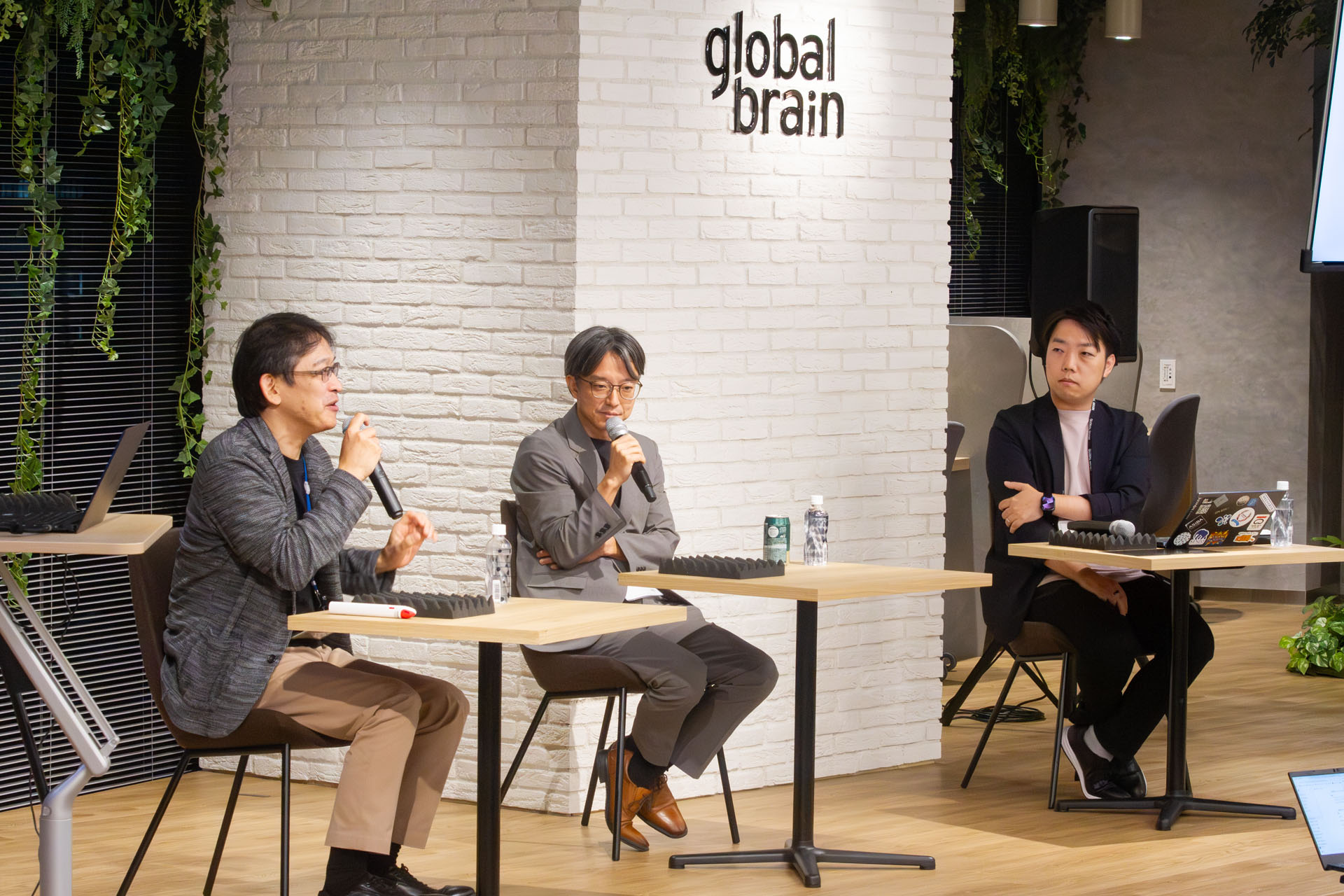
In the latter half of the event, a panel discussion was held with Rikiya Toyofuku from Oriental Land Innovations Co., Ltd. (Oriental Land Innovations) and Hiroaki Saito from Toda Corporation, both of which are actively pursuing open innovation. The BizDev team’s Hiroyuki Izumi facilitated the discussion, revealing how both companies navigate open innovation through their distinct approaches and the unique efforts involved.
Background and key features of open innovation activities
Oriental Land Innovations is a CVC wholly owned by Oriental Land Co., Ltd (Oriental Land). It began operations in 2020 as a subsidiary independent from the parent company to create new businesses.
Oriental Land Innovations’ activities have three distinct features. First, it focuses on the Online Merges with Offline (OMO) sector, leveraging its strengths in building real-world operations and combining them with digital services. It also actively engages in talent exchanges with startups, where employees with experience at the Oriental Land Group are seconded to startups, taking a hands-on approach to building businesses together. For portfolio companies where it has built deep trust through such talent exchanges like secondments, Oriental Land Innovations doubles down on its support through follow-on investments, aiming to build long-term relationships that go beyond the position of a shareholder.
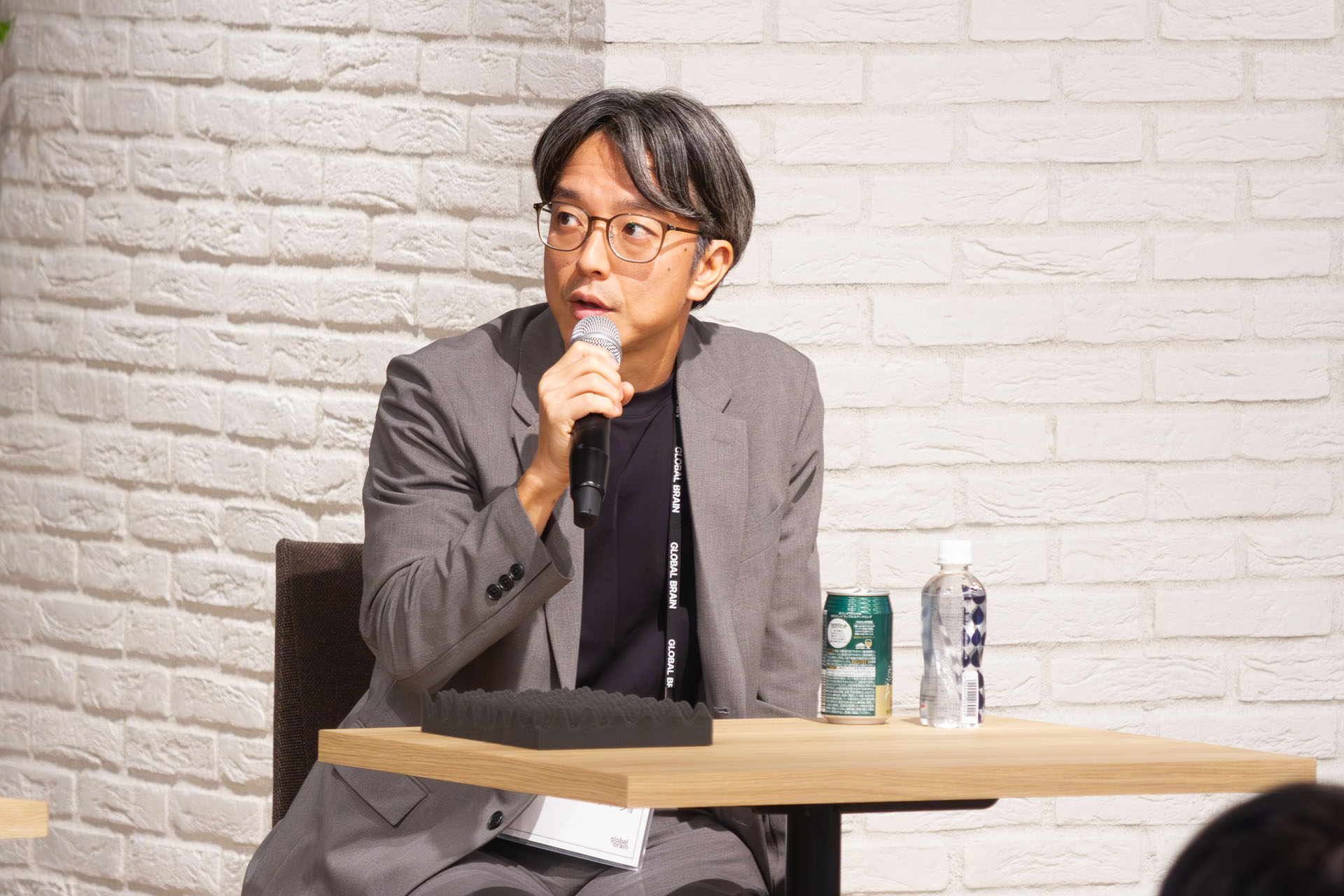
Toyofuku explained that the reason for making the CVC a subsidiary was to invest in startups with agility in a fast-paced industry, saying that the CVC did not adopt the single-LP fund structure as it emphasized the importance of building their own know-how for new business development.
On establishing the CVC, he conducted an internal briefing, explaining that CVC activities are well-suited as a means to realize what the company wants to accomplish. He also shared one of the company’s positive experiences regarding how they deepened their insights into startups through LP investments in VCs after establishing the CVC.
Toda Corporation’s Saito explained that while the company had previously collaborated with startups, it began scaling up its open innovation activities from around 2018 to foster deeper co-creation. He also noted the increasing necessity to go beyond simple collaboration and form capital alliances, which led the company to establish an internal CVC and strengthen its LP investments. The primary objectives of their startup investments are to build partnerships that enhance their value proposition to customers and to reinforce their core business operations.
Effective goal setting and internal communication
Goal setting is often cited as a challenge in open innovation activities.
Regarding this point, Toyofuku explained that they intentionally avoid setting quantitative goals as revenue from new businesses can appear insignificant when compared to the vast scale of revenue from existing businesses. Instead, they set qualitative goals such as creating a major new business for the parent company, Oriental Land, within a defined timeframe and are dedicated to achieving it.
He also mentioned a qualitative benefit of open innovation activities, noting that they facilitate human resource development through secondments and create a positive impact on existing businesses.
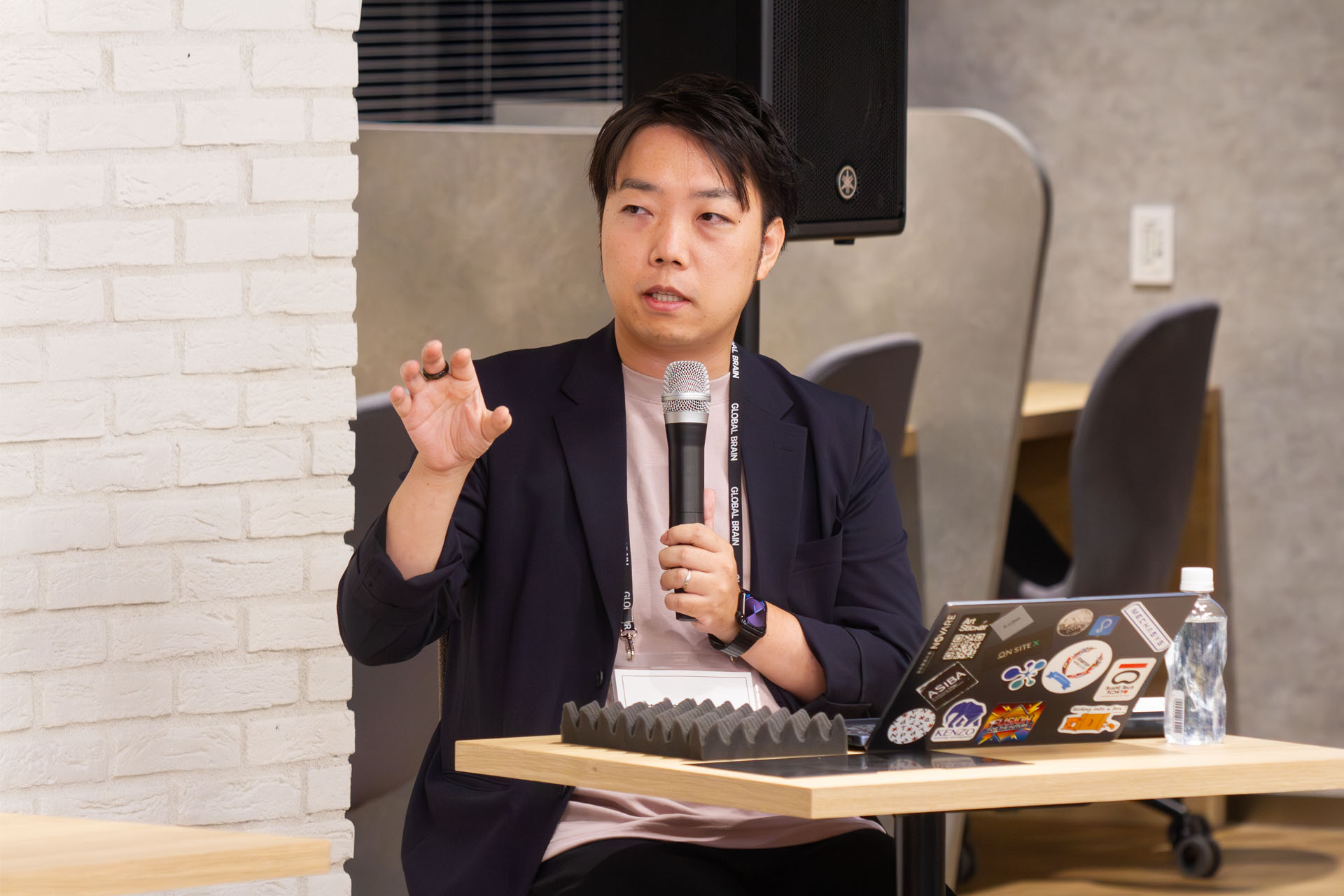
Saito introduced an approach to thoroughly quantify the volume of activities required to achieve long-term results and manage them as goals. He revealed that they set specific targets for activities, such as gathering information on XX startups, referring XX potential partners to business units, and advancing XX projects to PoC or product adoption.
He also stated that Toda Corporation proactively quantifies the impact of its activities—such as cost savings and productivity gains from adopting startup products as alternatives to apps and operational systems intended for internal development—by converting these benefits into monetary value to demonstrate the CVC’s tangible contribution to the organization.
Probing questions from the audience to both corporations

The two speakers gave detailed, practical answers to questions from the audience. Here are some of the Q&As.
How to secure executive engagement to prevent CVC stagnation
The first question was how to address the risk of the CVC’s original purpose becoming a mere shell due to the turnover of executives and employees.
In response, Toyofuku stated that they maintain a shared understanding of open innovation by placing the CVC organization directly under the president and continuing the persistent effort of repeatedly briefing not only the relevant reporting lines but also other stakeholders. It is also crucial to ensure that executives understand the significance of continuing these activities through internal communications, including in-house lectures.
From Saito’s perspective, it is crucial to consistently update top management on the key factors that senior executives value in CVC activities. He also explained that to gain cooperation from business units on the frontline, they proactively engage key mid-level managers to intentionally create a structure where advancing collaboration directly enhances those key individuals’ internal performance evaluations.
How to develop open innovation talent
When asked how they cultivate talent to drive open innovation, both speakers provided practical tips for organizational management.
Saito stated that junior CVC members gain experience by directly pitching their own collaboration hypotheses to business units. This approach allows them to sharpen their insight into the company’s own business and drive collaborations with a strong sense of conviction.
He said that he also requests HR to regularly assign employees from business units to the CVC team. Integrating talent with deep insight into frontline challenges significantly increases the success rate of collaboration matching. This fosters a positive cycle where these individuals continue to champion startup initiatives within their original units after their assignment ends.
Distinction of roles of business units and CVC
There was also a question regarding the differentiation between independent collaborations by business units with external companies and investments made by the CVC. At Oriental Land Innovations, the goals of collaborations led by business units, in most cases, aim to solve challenges or drive growth of existing businesses. Since this does not overlap with the CVC’s role of creating new businesses, a clear distinction is maintained.
At Toda Corporation, if a business unit wants to drive a collaboration independently, the CVC division steps back to avoid slowing them down. The business unit takes the initiative for faster execution. However, for any initiative involving investment, a structure is in place requiring a mandatory review by the CVC division, which manages the budgets and evaluation criteria.
To leverage LP investments for maximum impact
Toda Corporation also makes LP investments in VC firms, including GB. Questions were raised from the audience about how to utilize these investments effectively.
The objectives of the LP investments are to efficiently gather startup information and mitigate the risks of direct investment. Saito also presented a case study of an internal seminar for employees by sector-specific venture capitalists held together with GB. as an example of a more advanced way of leveraging VC firms. He revealed that by inviting venture capitalists with deep expertise in specialized fields like space to brief the employees on the latest trends, the company has built a framework to foster internal “allies” and expand the pool of talent interested in open innovation and startups.
Networking session filled with vibrant discussions

The panel discussion was followed by a networking session between the participants and speakers. It featured a dynamic exchange of insights among those dedicated to driving open innovation within large corporations.
Many GB members also participated in the networking session, including the persons in charge of the single-LP CVCs at GB and members supporting M&As of startups by large corporations. This provided an opportunity to interact with people from large corporations while sharing GB’s know-how gained from years of supporting large corporations’ open innovation activities.
In a post-event survey, participants reported a 95% satisfaction rate and a 93% intention to attend future events. We received many positive comments such as: “It was insightful to exchange ideas with those facing similar challenges” and “It was great that the panel discussion was centered around questions from the audience.”
Guided by our mission to “bring unimaginable innovation into society,” GB will continue to proactively create opportunities that foster open innovation between large corporations and startups.
Note: Affiliations, titles, and figures are as of the time of the event. (Written by GB’s Brand Communication Team)